Flower Alphabet: A Typeface That Blooms
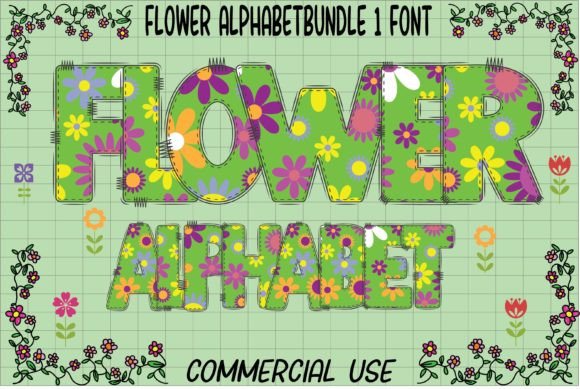
Imagine a font that doesn't just sit on the page but seems to grow from it, each letter a delicate arrangement of petals, vines, and leaves. This is the promise of the Flower Alphabet, a whimsical typeface that transforms standard text into a botanical garden of visual delight. For designers, marketers, and creators, it offers more than novelty; it provides a powerful tool to evoke emotion, tell a story, and connect with an audience on a deeply sensory level. Moving beyond generic decorative fonts, this style of creative font is about crafting a specific mood—one of growth, beauty, and organic elegance.
More Than Decoration: The Visual Psychology of a Floral Typeface
What makes a font like the Flower Alphabet so visually compelling isn't just its pretty appearance. It taps into a universal appreciation for nature. The organic shapes and flowing lines of floral-inspired letterforms feel inherently friendly, approachable, and alive. This typeface is a masterclass in visual communication. Where a stark, geometric sans serif font might communicate modern efficiency, the Flower Alphabet communicates warmth, care, and artisanal quality. It’s a display font that doesn't shout; it whispers with the grace of a climbing rose or the cheerfulness of a daisy chain.
The true magic lies in its versatility within that theme. A version with intertwined vines and serif-like terminals can feel vintage and romantic, perfect for a boutique's branding. Another, with bold, simplified petal shapes forming each letter, can feel modern and graphic, ideal for a trendy cosmetic line's packaging. The color palette often extends this personality—pastel tones for a soft, nursery feel, or vibrant, saturated hues for a festival poster. This isn't a one-note novelty; it's a spectrum of design assets built on a single, beautiful concept.
Practical Applications: Where This Font Truly Blossoms
Understanding where to deploy this unique typeface is key to leveraging its strength without overwhelming a design. Its whimsical nature makes it a specialty tool, not a body copy workhorse. Think of it as the star of the show, supported by simpler, more legible fonts.
For Brand Identity and Logo Design
A florist, a wedding planner, a botanical skincare brand, or a tea shop could build an entire brand identity around a well-chosen floral font. Used in a logo, it immediately sets a tone. However, practicality is crucial. The most effective logos often pair a stylized wordmark (using the floral font for the brand name) with a clean, complementary sans serif font for taglines or contact information. This ensures the logo is both memorable and functional across all sizes, from a website header to a small social media icon.
Elevating Print and Packaging Design
This is where the Flower Alphabet can truly shine. On packaging design for artisanal goods—jams, candles, hand creams—the font adds perceived value and tells a story of natural ingredients. For editorial design, think of a magazine feature on garden tours or a cookbook's chapter headings. Used sparingly, it adds a touch of elegance without sacrificing readability. Wedding invitations, event posters for garden shows, and boutique shop signage are other natural fits, where the font's personality aligns perfectly with the project's goals.
Digital Presence and Marketing Materials
Online, the font can be a powerful engagement tool. A blog about sustainable living might use it for post titles to reinforce its earthy theme. On social media, a carefully crafted graphic using the floral typeface can stop the scroll, especially for brands in the wellness, beauty, or lifestyle space. It can also be used for digital products like printable art, planner stickers, or e-book covers. The key is to use it for high-impact elements—headlines, pull quotes, or call-to-action buttons—where its detail can be appreciated without hindering the reading flow of longer text.
Making It Work: A Designer's Practical Checklist
Adopting a specialty font like this requires a thoughtful approach to ensure it enhances, rather than complicates, your project. Here’s how to integrate it successfully:
- Test for Readability First: Before you fall in love with a style, test it. Type out the entire alphabet, numbers, and common punctuation. Some floral fonts can be difficult to read in lowercase or at small sizes. Ensure the core message of your design is never lost in the botanical details.
- Master the Font Pairing: This is non-negotiable. Pair your Flower Alphabet display font with a simple, high-contrast companion. A classic serif font like Garamond can add a touch of traditional elegance, while a clean geometric sans serif like Montserrat keeps the overall look modern and grounded. The contrast allows the floral font to be the accent, not the distraction.
- Review the Full Glyph Set: A quality premium font will include more than just letters. Look for ligatures (custom letter pairs), alternate characters, and decorative swirls. These extras allow you to customize the look and avoid repetition, making your design feel more authentic and handcrafted.
- Align with Project Goals: Ask yourself: does this font's personality match my audience and message? A playful, daisy-themed version might be perfect for a children's plant-care workshop but less suitable for a high-end luxury spa. The font should amplify your brand's voice, not contradict it.
- Understand Commercial Licensing: If you're using the font for a client project, merchandise for sale, or a business logo, you must have the correct commercial license. This protects both you and the font creator. Always check the license details before finalizing any design.
Cultivating a Unique Visual Voice
Ultimately, the Flower Alphabet is more than a collection of pretty letters; it's a design tool for building atmosphere and emotional resonance. It allows a small business to stand out in a crowded market by offering a visual experience that feels personal and curated. For a content creator, it can become a signature element that makes their work instantly recognizable. The key is to use it with intention. By pairing it wisely, prioritizing readability, and ensuring it aligns with your core message, you can harness its beauty to create designs that don't just look good—they feel alive. In a digital landscape often dominated by clean lines and minimalism, a touch of floral whimsy can be the very thing that makes your project memorable and deeply human.