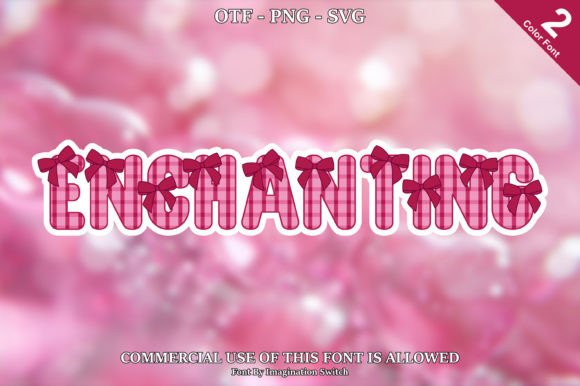
Enchanting: A Typeface That Captivates and Communicates
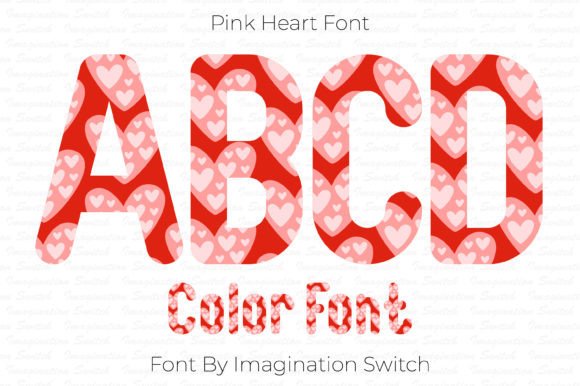
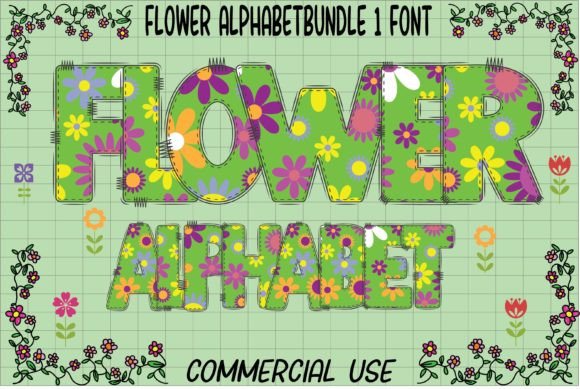
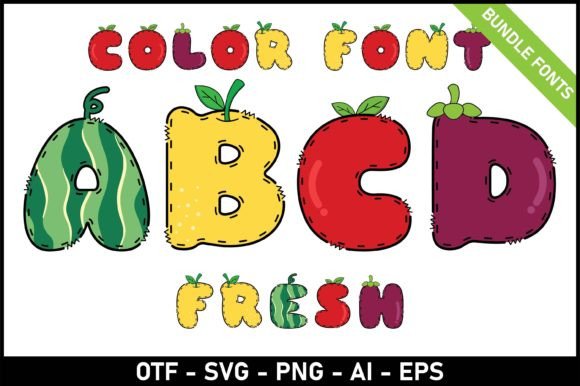
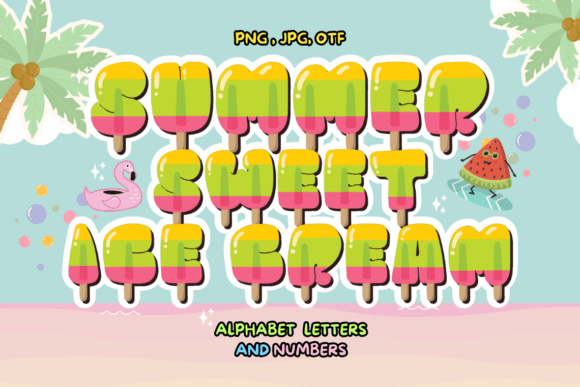
There's a moment in every creative project when you realize the words alone aren't enough. The message is clear, the idea is solid, but something's missing—that spark that makes someone stop scrolling, pause in an aisle, or linger on a page. Often, that missing piece lives in the typography. A font like Enchanting understands this intuitively, offering a typographic creation that doesn't just sit quietly on the page but actively draws the eye with its intriguing color palette and carefully crafted letterforms.
What sets this particular typeface apart is its personality without pretension. It carries a distinct visual warmth through its color choices—subtle gradients, unexpected hue combinations, or layered tones that give each character depth and dimension. This isn't your standard black-on-white lettering. It's typography that feels alive, designed for creators who want their visual communication to carry emotional weight alongside information.
Where Visual Warmth Meets Practical Design
For small business owners developing their first brand identity, choosing typography can feel overwhelming. You need something that reflects your values, appeals to your target audience, and works across every touchpoint—from your website header to your business cards to your Instagram stories. Enchanting steps into this space with a complete character set that includes uppercase letters, lowercase letters, numbers, and punctuation, giving you the flexibility to handle virtually any text requirement without running into missing glyphs or awkward workarounds.
Consider a boutique bakery launching its first product line. The owner needs a typeface that conveys artisanal quality and warmth without looking amateurish. The distinctive color properties of this font could appear on packaging labels, menu boards, and social media posts, creating an immediate visual signature that customers begin to associate with the brand. Over time, that consistent typographic choice builds recognition—people see those letterforms and instantly connect them to the sensory experience of fresh pastries and a welcoming atmosphere.
Practical Applications Across Creative Projects
The versatility of a well-designed premium font shows in how many different contexts it can serve without feeling out of place. Here's where creators and marketers are finding real value:
- Logo design and brand marks — The unique character of this typeface makes it memorable in small-scale applications where every pixel matters. It maintains its charm whether displayed as a large hero element or a compact favicon.
- Packaging design — Products sitting on crowded shelves need typography that pops. The visual intrigue built into these letterforms helps packaging stand out without relying solely on bold colors or oversized graphics.
- Social media graphics — In feeds where attention spans are measured in milliseconds, an eye-catching font can be the difference between engagement and invisibility. Quote graphics, promotional announcements, and story templates all benefit from type that carries its own visual interest.
- Website headers and hero sections — Modern web design increasingly treats typography as a design element in its own right, not just a vehicle for content. A distinctive display font in a website's key sections can establish mood and brand personality immediately upon page load.
- Print materials and editorial layouts — Magazines, lookbooks, brochures, and event programs gain sophistication when their headlines and pull quotes use typography that feels intentional and curated.
- Invitations and event collateral — Wedding invitations, corporate event materials, and party decorations all benefit from typefaces that convey a specific emotional tone—celebration, elegance, whimsy, or sophistication.
- Digital products and marketing assets — E-book covers, course materials, email headers, and lead magnets need professional presentation to justify their value proposition.
Each of these applications demands slightly different things from a typeface, which is why having a complete character set matters more than many people realize. Missing numerals can break a price tag design. Absent punctuation can undermine a tagline. Enchanting addresses these practical concerns by including everything you'd need for real-world commercial use.
Making Typography Work for Your Brand
Choosing the right font style for a project involves more than picking something that looks pretty in a preview. Start by defining what your typography needs to accomplish. Is it primarily functional, guiding readers through dense information? Or is it expressive, setting an emotional tone before anyone reads a single word? Most projects need both, which is why understanding font pairing becomes essential.
A typeface like Enchanting works beautifully as a headline or accent font—places where its personality can shine without overwhelming the reader. Pair it with a clean sans serif font for body text, and you get the best of both worlds: visual interest at the top of the hierarchy and comfortable readability in the supporting content. This combination appears frequently in successful brand identities because it balances expression with function.
Test your font pairings in context rather than in isolation. Put them into a realistic mockup—a social media post template, a product label layout, a webpage wireframe—and see how they interact at different sizes. Pay particular attention to readability considerations: how does the font perform at small sizes? Does it maintain clarity when printed on textured paper? How does it render across different screen resolutions and devices?
From Creative Vision to Consistent Execution
One of the most common challenges for growing brands is maintaining visual consistency across an expanding number of platforms and materials. A startup might begin with a website and a few social accounts, but soon they're managing email campaigns, printed flyers, merchandise, video thumbnails, and presentation decks. Without established typography guidelines, each new piece can drift visually, diluting the brand's recognizability.
Investing in a thoughtfully designed creative font and building your brand guidelines around it creates an anchor point. When every team member, freelancer, or printing partner references the same typeface, the visual output stays cohesive even as the volume of materials grows. This consistency directly supports brand recognition—audiences begin to associate your specific typographic voice with your business, much like they associate your color palette or logo mark.
Before committing to any commercial font for your brand system, review the included font styles and weights thoroughly. Check whether the licensing covers your intended use cases—some licenses differentiate between desktop, web, and merchandise applications. Understanding these details upfront prevents complications later when your brand expands into new channels.
Typography as a Strategic Design Asset
Professional presentation isn't about perfection—it's about intentionality. Every design choice communicates something, and typography is one of the loudest signals your brand sends. A playful handwritten font tells a different story than a geometric sans serif. A modern display font with intriguing color properties suggests creativity, attention to detail, and confidence in visual communication.
For content creators and marketers especially, typography is a design asset that compounds in value over time. Each piece of content created with consistent, distinctive typography reinforces the visual language your audience learns to recognize. Whether you're designing a new product launch campaign, refreshing your blog's visual identity, or creating a series of educational infographics, having a reliable and expressive typeface in your toolkit saves time and elevates quality.
The real measure of any design asset isn't how impressive it looks in a showcase—it's how effectively it serves your communication goals in the messy, varied landscape of real projects. A typeface that handles gracefully across contexts, maintains its character at different scales, and brings genuine visual interest to everyday design work is one worth building around.