Fresh: The Playful Typeface That Brings Whimsy to Your Work
There’s a particular kind of magic that happens when typography feels alive—when letters seem to dance across a page or screen, inviting you in rather than just delivering information. If you’ve ever worked on a project targeting families, children, or anyone who appreciates a touch of lighthearted creativity, you know how challenging it can be to find a font that balances personality with clarity. Too whimsical, and your message gets lost. Too rigid, and you miss the emotional connection entirely. That’s where a typeface like Fresh enters the conversation, offering a solution that feels both joyful and functional.
Understanding the Visual Language of Fresh
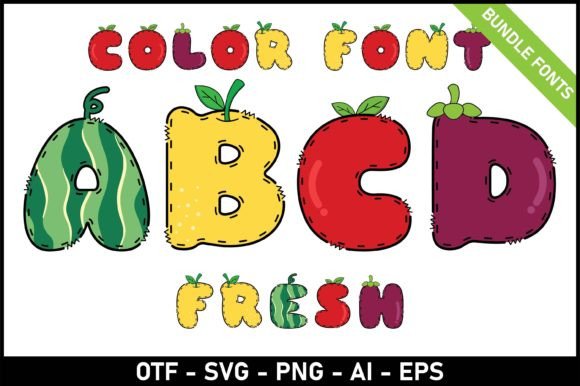
Fresh belongs to that special category of display fonts designed to evoke emotion before a single word is fully read. Its letterforms carry a sense of movement and warmth—rounded edges, slightly irregular baselines, and a handcrafted quality that suggests human touch rather than digital precision. This isn’t a font that tries to impress with technical sophistication. Instead, it wins you over with charm. Think of the difference between a corporate sans serif and a handwritten note from a friend. Both communicate, but one feels considerably more personal.
What makes this typeface particularly versatile is its readability. Many playful fonts sacrifice legibility for style, forcing designers to use them only at large sizes or in limited contexts. Fresh manages to maintain clarity even at smaller scales, which opens up a wider range of applications. The character spacing feels intentional, the weight distribution across strokes is consistent, and the overall rhythm of text set in this font creates a pleasant reading experience. For projects involving longer text blocks—like storybooks or educational materials—this balance becomes invaluable.
Where Creative Professionals Are Using This Typeface
Walk into any bookstore’s children’s section, and you’ll see typography working overtime to capture young imaginations. Picture books, early readers, and activity guides all rely on fonts that feel approachable and fun. Fresh fits naturally into this space, but its applications extend well beyond publishing. Small business owners creating packaging for artisan goods, crafters designing custom invitations, and content creators building social media presence have all found practical uses for this style of modern typography.
Consider a local bakery rebranding its packaging. The owner wants customers to feel the handmade quality of their products before tasting them. A stiff, geometric typeface would undercut that message. But a font like Fresh—with its organic curves and friendly demeanor—reinforces the brand story visually. The same principle applies to a children’s clothing line, a family-oriented blog, or a community event poster. Whenever your audience expects warmth and authenticity, typography becomes your silent ambassador.
- Brand identity systems where approachability matters more than corporate authority
- Logo design for businesses targeting parents, children, or creative communities
- Packaging design for food products, toys, stationery, and handmade goods
- Social media graphics that need to stop scrollers with personality
- Website headers and blog titles seeking visual warmth without sacrificing readability
- Print materials like flyers, brochures, and direct mail for family services
- Poster design for school events, community gatherings, and creative workshops
- Merchandise including t-shirts, tote bags, and stickers
- Wedding and event invitations with a relaxed, joyful aesthetic
- Editorial layouts for magazines and newsletters with lifestyle content
- Digital products such as printable planners, educational worksheets, and e-book covers
- Marketing assets including email headers, ad banners, and promotional graphics
Building Visual Consistency Across Touchpoints
One of the most practical benefits of adopting a premium font family like this is the consistency it brings to your visual communication. When your website, social media profiles, printed materials, and product packaging all share the same typographic DNA, something interesting happens: people start recognizing your brand before they even read your name. That recognition builds trust over time, and trust drives business.
Imagine scrolling through Instagram and spotting a post with that distinctive rounded, slightly bouncy lettering. Even without seeing the logo, you might think, “Oh, that’s from that kids’ clothing brand I follow.” That’s the power of consistent typography at work. It becomes part of your brand’s fingerprint. Fresh, with its recognizable character, offers that kind of visual signature—provided you use it intentionally across your touchpoints rather than treating it as a one-off design choice.
The key is establishing clear rules for when and how to deploy different weights and styles within the font family. Perhaps you reserve the boldest weight for headlines, use a lighter version for subheadings, and pair the regular weight with a complementary serif font for body text. These decisions, documented in a simple brand guide, prevent your materials from looking inconsistent even when created by different team members or at different times.
Practical Considerations Before You Commit
Before integrating any creative font into your workflow, a few practical steps will save you headaches down the road. First, test the font at the sizes you’ll actually use. A typeface that looks gorgeous at 72 points on your monitor might become illegible at 12 points in a printed brochure. Print test pages. View mockups on different screens. Ask someone unfamiliar with your project to read samples and give honest feedback about clarity.
Font pairing deserves careful attention as well. Fresh works beautifully as a headline or accent font, but pairing it with body text requires thought. A clean sans serif often provides the perfect counterbalance—something neutral enough to let the display font shine while ensuring longer passages remain easy to read. Avoid pairing two highly decorative fonts together, as they’ll compete for attention and create visual chaos rather than harmony.
Licensing is another area where due diligence pays off. If you’re using this typeface for commercial projects—selling products, creating client work, or building a business brand—make sure your license covers those uses. Most premium font foundries offer clear commercial licensing, but terms vary. Some licenses cover unlimited projects for a single designer, while others charge per installation or per product. Understanding these terms upfront prevents legal complications later, especially if your business grows or you start collaborating with other creatives.
Take time to explore the full range of styles included with the font family. Many premium typefaces come with alternates, ligatures, and stylistic sets that can dramatically change the look of your text. These features are often overlooked, but they provide valuable flexibility. A single font purchase might effectively give you three or four distinct looks, each suited to different applications within the same brand system.
Making Typography Work for Your Audience
At the end of the day, font selection isn’t about personal preference—it’s about communication. The most beautiful typeface in the world fails if your audience can’t read it or if it sends the wrong message. When you choose a font like Fresh, you’re making a deliberate decision to present your brand, product, or content with warmth and approachability. That decision should align with who you’re trying to reach and what you want them to feel.
Parents browsing for children’s products respond to visual cues that signal safety, creativity, and joy. Event planners seeking invitation designs want fonts that convey celebration without looking cheap. Bloggers building a lifestyle brand need typography that feels authentic and curated. In each case, the font carries meaning beyond the words it forms. It sets expectations, creates mood, and influences how your audience perceives your professionalism and attention to detail.
Experiment, gather feedback, and refine your approach. Typography is both an art and a practical tool, and the best results come from treating it as both. When you find a typeface that genuinely connects with your audience and supports your goals, it becomes one of the most valuable design assets in your toolkit—something that works quietly but powerfully every time someone encounters your work.