Creativity Collection: Adding a Splash of Color to Your Typography
Let’s be honest: most of the time, when we talk about typography, we are usually talking about black ink on white paper. We obsess over kerning, weight, and whether a serif or sans-serif feels more professional. But what if your font did more than just hold words together? What if the letters themselves were the art? That is exactly the premise behind the Creativity Collection, a typographic experiment that steps away from monochrome text and embraces color as a fundamental part of the letterform. It isn’t just a typeface; it is a visual statement designed to make your words pop off the page or screen before anyone even reads them.
More Than Just Letters: The Visual Anatomy
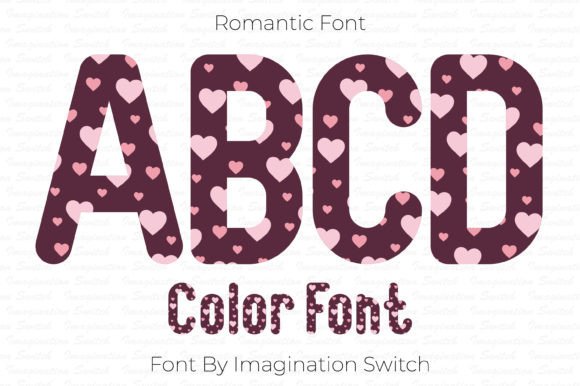
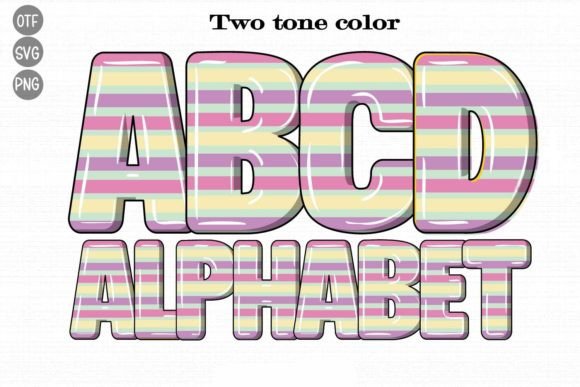
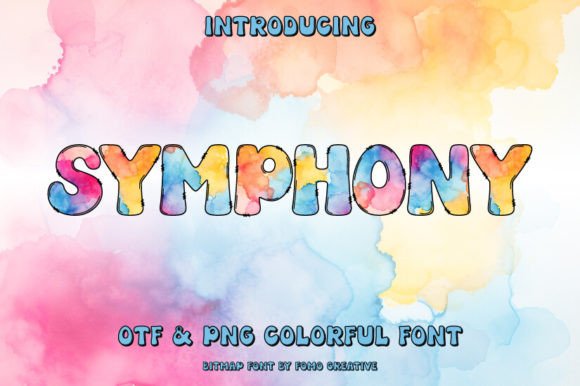
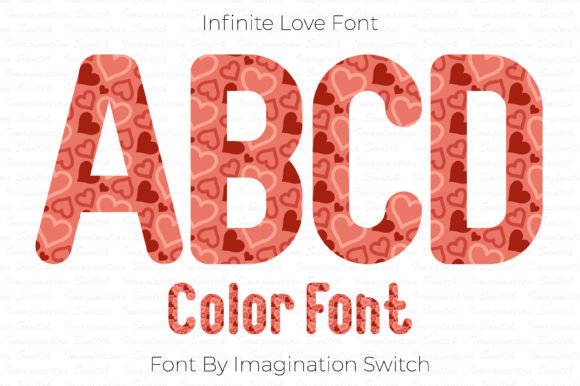
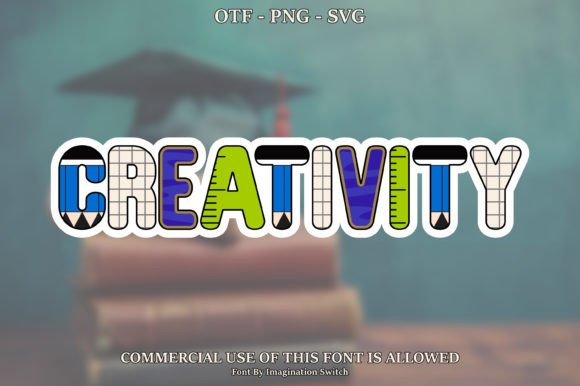
The defining characteristic of this typeface is its use of "intriguing colors." Unlike standard fonts where you simply highlight the text and pick a color from your swatch panel, the Creativity Collection has color baked directly into the design. Imagine a gradient that flows from a warm sunset orange into a cool violet across a single word, or geometric shapes within the letters that feature contrasting hues. It creates a mesmerizing texture that feels almost three-dimensional.
From a practical standpoint, this is a complete toolkit. You aren’t just getting a handful of decorative capitals for a headline; you have access to uppercase, lowercase, and a full numerical set. This flexibility is crucial. It means you can use this font for more than just a logo mark. You can write short headlines, pricing tags, or distinct call-to-action buttons without running out of characters or resorting to a mismatched standard font for the numbers. It brings a cohesive, handcrafted feel to digital designs and print layouts alike, offering a "premium font" experience that feels custom-made for modern, vibrant projects.
Practical Applications for Modern Creators
So, where does a font like this actually fit into your workflow? Because it is so visually distinct, it isn't the right choice for writing a 500-word blog post or a technical manual. However, for grabbing attention, it is unmatched. Here is how different creative professionals can leverage this style:
- Logo Design and Brand Identity: If you are building a brand that needs to scream "fun," "energetic," or "creative," this font serves as a fantastic starting point. It works particularly well for businesses in the event planning, children’s entertainment, or artisan food sectors.
- Packaging Design: On a crowded shelf, color is king. Using this typeface for product names on packaging—like a vibrant juice box or a colorful candle line—can instantly communicate the flavor or mood of the product inside.
- Social Media Graphics: We live in the age of the scroll. A standard sans-serif might get lost on an Instagram feed, but a colorful, textured font stops the thumb. It is perfect for quote graphics, announcement headers, or story highlights.
- Merchandise and Invitations: Think about tote bags, t-shirts, or birthday invitations. These items often rely on bold, graphic text. The Creativity Collection eliminates the need for complex illustration behind the text because the text is the illustration.
- Editorial Design: For magazines or zines focusing on lifestyle, art, or culture, drop caps or pull quotes using this font can break up the monotony of standard body copy and add a modern typography flair.
Strategic Pairings and Readability
One of the biggest risks with a highly stylized "display font" is overuse. If you use the Creativity Collection for your headline, your sub-header, and your body text, your design will likely look chaotic and become difficult to read. The secret to using a creative font effectively lies in contrast.
This is where font pairing comes in. Because the Creativity Collection is busy and colorful, it needs a quiet partner. Pair it with a clean, neutral sans-serif font for your body copy. A font like Open Sans, Roboto, or Lato works beautifully because it recedes into the background, letting the colorful headlines take center stage. This balance ensures your brand identity feels exciting but also professional and legible.
When testing your pairings, pay attention to scale. This font likely shines brightest when it is large. Use it for H1 headers, hero images, or massive "SALE" graphics. As the font size gets smaller, the intricate color details might become muddy or hard to decipher, which can hurt your readability. Always view your designs at the actual size they will be consumed—whether on a mobile phone screen or a printed poster—to ensure the message is clear.
Commercial Considerations and Workflow
For designers and entrepreneurs, the usability of a font goes beyond just how it looks; it’s also about how it functions within your software and legal framework. As a commercial font, you need to ensure that the license covers your intended use, whether that is for client work, print-on-demand merchandise, or digital products sold on Etsy.
Additionally, working with color fonts can sometimes be technically specific. Not all software handles color fonts the same way. Most modern versions of Adobe Illustrator, Photoshop, and InDesign support them well, allowing you to manipulate the layers. However, if you are using older software, you might find that the font renders as a standard black bitmap. It is always worth reviewing the included font styles and technical specifications provided by the creator to ensure it integrates smoothly into your design assets library.
Injecting Personality into Every Project
Ultimately, the goal of any design project is communication. We want to evoke a specific emotion or convey a specific quality. The Creativity Collection is a tool for when you want to convey joy, innovation, and boldness. It moves away from the corporate stiffness of traditional typography and invites a more playful interaction with the viewer.
Whether you are a small business owner designing your first flyer or a seasoned graphic designer looking for a fresh web design element, this font offers a way to bypass the need for complex color overlays. It provides that "wow" factor instantly. By carefully choosing where to deploy it—balancing it with clean whitespace and simple companion fonts—you can turn a standard layout into something truly memorable. It is a reminder that typography doesn't have to be invisible; sometimes, the letters themselves deserve to be the star of the show.