Romantic: Adding Color and Character to Your Creative Projects
There's a certain magic in typography that goes beyond simple legibility. It's the feeling a font evokes, the personality it whispers to your audience before a single word is consciously read. In a world saturated with clean, minimalist sans-serifs, a typeface with a distinct, colorful character can be a powerful differentiator. This is the space where Romantic lives—a typographic creation designed not just to convey information, but to make a statement. It’s a tool for designers, entrepreneurs, and creators who understand that the visual tone of their message is just as crucial as the words themselves.
More Than Just a Pretty Face: The Anatomy of a Colorful Typeface
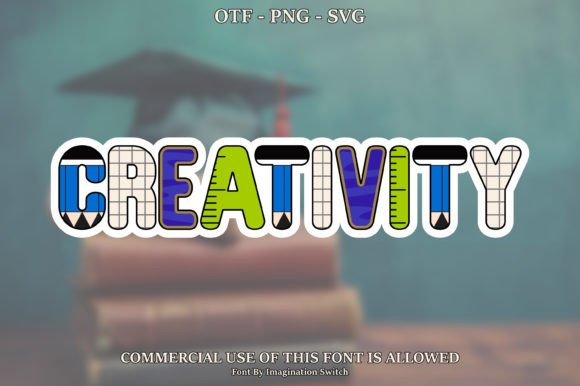
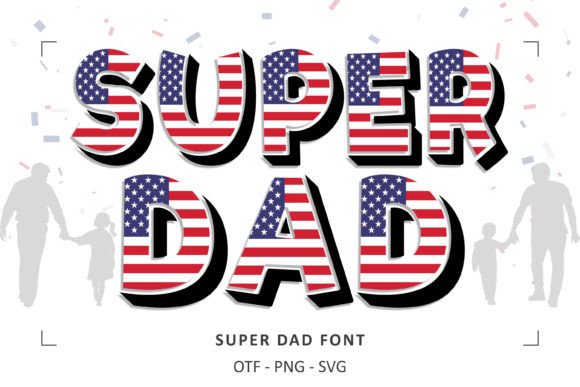
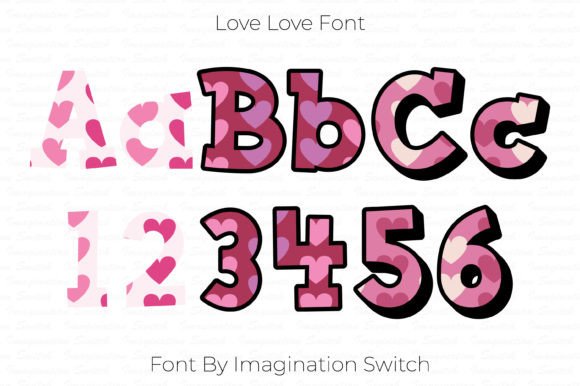
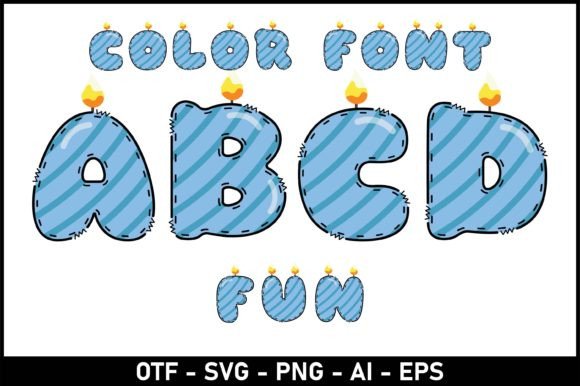
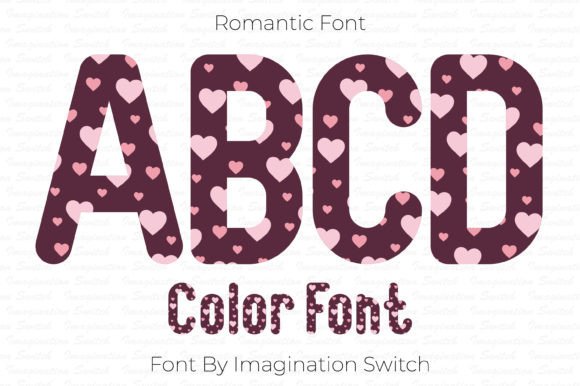
At its core, Romantic is a complete character set—uppercase, lowercase, and numbers—meticulously crafted with a twist. Each letterform is infused with intriguing, carefully chosen colors, transforming the font from a simple design asset into a piece of visual art. This isn't a single-color font where you apply a hue in your design software. The color is baked into the character itself, offering a mesmerizing touch that makes headlines pop and key phrases command attention.
This approach solves a common design challenge: creating visual hierarchy and interest quickly. Instead of layering effects or hunting for the perfect color combination for each letter, the font provides a pre-curated, harmonious palette. For a small business owner designing their own social media graphics, this means less time fiddling with settings and more time creating compelling content. For a brand strategist, it offers a unique texture to weave into a client's visual identity, adding a layer of sophistication and personality that’s hard to replicate.
Where Character Meets Commerce: Practical Applications
The true value of any premium font lies in its versatility. A typeface like Romantic isn't a one-trick pony; its unique visual appeal can be leveraged across a stunning array of projects, each benefiting from its inherent creativity.
- Branding & Logo Design: Imagine a boutique bakery, a creative agency, or a lifestyle brand using Romantic for its wordmark. The colorful letters immediately communicate creativity, warmth, and a distinct brand personality. It’s perfect for a logo that needs to feel both professional and approachable, making a memorable first impression on packaging, business cards, and websites.
- Editorial & Digital Layouts: In a magazine spread or a blog post, a drop cap or a pull quote set in Romantic can break up text monotony and guide the reader's eye. It turns a simple statistic or a powerful testimonial into a focal point, enhancing the overall reading experience without sacrificing the legibility of the body text.
- Packaging & Merchandise: Product packaging is a silent salesperson on the shelf. Using this font for the product name or a key feature call-out can make a box or label stand out in a crowded market. Similarly, on merchandise like tote bags, mugs, or t-shirts, its playful yet polished aesthetic adds a desirable, artisanal quality.
- Invitations & Marketing Assets: For event invitations, promotional posters, or sale announcements, Romantic sets the mood instantly. The integrated color palette suggests celebration, creativity, and fun, making it an excellent choice for projects where you want to evoke a specific emotional response from your audience.
The Art of Strategic Typography: Making Romantic Work for You
Introducing a bold, character-rich font like this into your toolkit requires a thoughtful approach. Its strength is its flair, so using it effectively means knowing when and how to deploy it for maximum impact without overwhelming your design.
Pairing with Purpose: The golden rule with a strong display font is balance. Romantic should rarely be the workhorse for long paragraphs of body copy. Its excellent legibility at larger sizes makes it a stellar headline or accent font. Pair it with a clean, neutral serif or sans-serif font for body text. Think of it as the lead singer and the supporting band—the headline font grabs attention, while the body font delivers the detailed information clearly and comfortably. Testing these font pairings in mockups is a critical step before finalizing any design.
Readability is Paramount: While visually appealing, always prioritize the clarity of your message. Use Romantic for short, impactful text: a hero section headline, a product name, a call-to-action button, or a social media post title. For longer sentences or smaller sizes, conduct a readability check. Does the color variation affect comprehension at a glance? In most cases, its design maintains clarity, but context is everything. A poster headline has different requirements than a website's navigation menu.
Aligning with Project Goals: Before you even open your design software, ask: what is the goal of this project? Is it to feel luxurious, whimsical, modern, or trustworthy? The personality of Romantic leans towards creativity, modernity, and a touch of playfulness. It’s an ideal match for a tech startup wanting to seem innovative, a children's brand, or a fashion label with a youthful edge. For a law firm or a financial institution, a more traditional serif or a sturdy sans-serif might be a better primary choice, though Romantic could still add a surprising accent in internal communications or a specific marketing campaign.
Building a Cohesive Visual Identity
Consistency is the bedrock of strong brand recognition. When you select a typeface like Romantic for specific applications, you’re not just choosing a font; you’re selecting a reusable design asset that contributes to a larger visual language. By consistently using it for all your headline needs across your website, social media graphics, and print materials, you create a subtle, recognizable thread that ties your brand together.
This consistency signals professionalism. It shows that every detail has been considered, from the macro layout of a webpage down to the typographic treatment of a promotional poster. For entrepreneurs and content creators building their brand from the ground up, establishing this kind of visual coherence early on is invaluable. It helps your audience quickly identify your content in a crowded feed and builds trust over time.
Finally, a note on licensing. For any creative or commercial project, ensuring you have the correct commercial license for a font is non-negotiable. This protects you legally and supports the designers who create these essential tools. Most premium font licenses are straightforward, but always review the terms to understand what’s permitted for your specific use case, whether it's for a client project, merchandise for sale, or a digital product.
In the end, a font like Romantic is more than a collection of colored outlines. It’s a catalyst for creativity, a shortcut to visual interest, and a tool that empowers you to communicate with more than just words. It invites you to play, to experiment, and to craft designs that are not only seen but felt. By understanding its strengths and applying it strategically, you can harness its unique color touch to make every project you undertake a little more unforgettable.