Why This Playful Typeface is a Game-Changer for Your Next Project
There is something universally joyful about the concept of Pizza Day. It conjures images of warmth, celebration, and a casual, friendly atmosphere. When you apply that same energy to typography, you get a typeface that doesn't just sit on the page—it dances. For designers and business owners, finding a font that captures this specific "playful yet professional" vibe is often the missing piece in a branding puzzle. We are constantly searching for assets that can break the monotony of standard corporate fonts without looking childish or unprofessional. This particular display font offers a solution that bridges the gap between whimsical artistic expression and clear, functional communication.
Capturing the Whimsical Spirit in Visual Communication
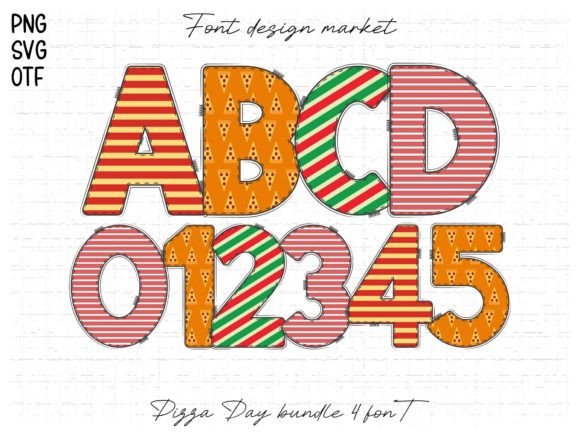
The visual appeal of this typeface lies in its ability to mimic the organic, imperfect nature of hand-lettering. In a digital landscape dominated by rigid sans-serif fonts and predictable serif structures, a hand-drawn aesthetic immediately humanizes a brand. It suggests that there is a real person behind the logo or the social media post, rather than just an algorithm. This is particularly vital for brands that want to convey approachability. Whether you are running a boutique bakery, a children’s clothing line, or a creative agency, the texture and movement within the letterforms add a layer of tactile reality that polished, geometric fonts often lack.
However, "whimsical" does not mean chaotic. The structure of the Pizza Day font is designed to maintain legibility even when the style gets expressive. This is a crucial distinction. Many decorative fonts sacrifice readability for the sake of style, forcing the viewer to squint to decipher a header. This typeface balances its artistic flair with enough negative space and character distinction that it remains accessible to a wide audience, including young readers in educational materials or busy consumers scanning product packaging.
Practical Applications for Branding and Packaging
When it comes to logo design and brand identity, consistency is king. You need a typeface that works as well on a tiny favicon as it does on a large storefront sign. This font shines in the realm of packaging design. Imagine a line of artisanal snacks, craft beers, or boutique cosmetics. Using a premium font like this on the label instantly elevates the product, suggesting it was made with care and creativity. It moves the product away from looking like mass-produced goods and into the territory of "craft" and "artisan."
For small business owners, versatility is key. You likely don't have the budget to license dozens of different typefaces for every occasion. You need a workhorse that can handle:
- Invitations and Greeting Cards: Perfect for wedding stationery, birthday invites, or holiday cards where a personal touch is required.
- Merchandise: T-shirts, tote bags, and mugs often rely on bold, readable typography. The thick strokes of a display font ensure the design pops from a distance.
- Posters and Editorial Layouts: When you need a headline that grabs attention immediately, this style of typography acts as a focal point, drawing the eye in before the viewer reads the body copy.
Navigating Technical Compatibility and File Types
One of the most practical considerations when purchasing a new design asset is file compatibility. Not all fonts are created equal in the eyes of software. A major advantage of the Pizza Day collection is its broad utility across different platforms, but there is a technical nuance that every designer must understand to avoid workflow headaches.
The "Black" or standard version of this font is fully compatible with Cricut Design Space and other cutting machines. This is a massive win for the crafting community. If you are creating vinyl decals, paper cutouts, or heat transfers for merchandise, this version integrates seamlessly into your hardware's software. It behaves like a standard vector outline, allowing your machine to trace the paths accurately.
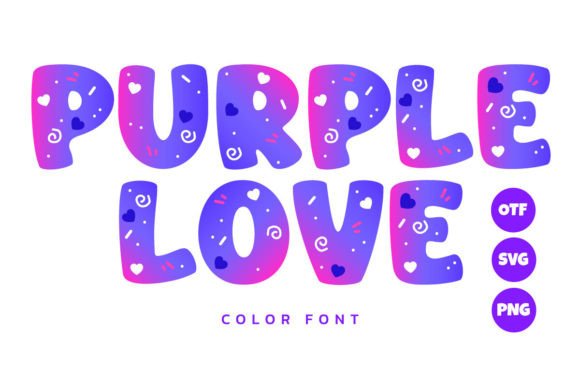
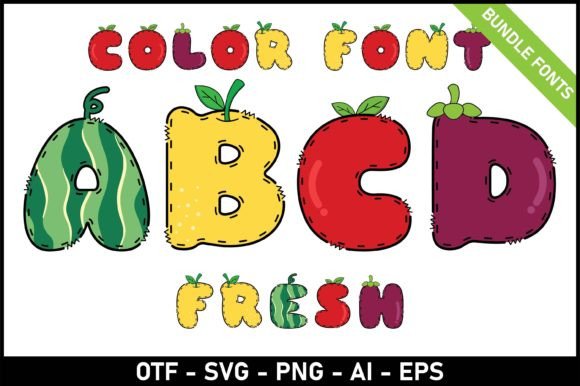
However, the "Color" version of the font is a different beast. This version contains embedded color data (often in SVG format) to create multi-tonal effects within the letters. While this looks stunning in high-fidelity environments, it has limitations. It is compatible with professional design software like PhotoShop, Illustrator, Silhouette, and Inkscape. It is not compatible with Cricut Design Space for cutting purposes because cutting machines require single-path vector outlines to know where to slice. Understanding this distinction prevents the frustration of purchasing a font that won't work with your specific hardware. Always check the Ultimate Font Guide provided by the creator to ensure you are loading the correct file type for your specific project needs.
Typography Strategy: Pairing and Readability
Using a decorative display font effectively requires a strategy. You cannot simply plaster a whimsical font across every piece of text in your design; that leads to visual fatigue and poor readability. The golden rule of modern typography is contrast. If your headers are using a playful, hand-drawn font like Pizza Day, your body copy should be something grounded and neutral.
Consider pairing this typeface with a clean sans serif font or a classic serif font. The contrast between the organic, irregular lines of the header and the structured, uniform lines of the body text creates a visual hierarchy. It tells the reader, "Look here first for the fun stuff, then read here for the details." For example:
- The Header: "Fresh Baked Daily" (in Pizza Day)
- The Sub-header: "Order online for pickup." (in a clean sans-serif like Montserrat or Open Sans)
This approach ensures that your designs feel professional rather than chaotic. It allows the personality of the font to shine without overwhelming the message.
Enhancing Audience Engagement Through Visual Tone
Typography is silent communication. Before a customer reads a single word of your copy, they have already judged the "vibe" of your brand based on the font. A stiff, bureaucratic font suggests a corporation. A sleek, geometric font suggests technology. A handwritten, playful font suggests creativity and warmth.
For content creators and marketers, this psychological trigger is invaluable. If you are marketing to parents, educators, or creative hobbyists, a font that evokes the feeling of a children's book or a hand-drawn poster creates an immediate emotional connection. It lowers the barrier to entry. It makes your brand feel less like a sales machine and more like a friendly neighbor.
Furthermore, using unique typography in your social media graphics helps with brand recognition. In a sea of generic Instagram posts, a distinctive typeface acts as a visual signature. Users can recognize your content before they even see your logo, simply because they recognize the style of your text. This is how you build a cohesive visual ecosystem across your website, your print materials, and your digital products.
Final Thoughts on Commercial Licensing and Asset Management
Before you finalize any design, always double-check the licensing. Most premium fonts come with a license that covers specific types of commercial use. Whether you are using this for a client's branding project or your own merchandise, ensure you have the correct permissions. Treat your fonts like any other business asset—organized and legally compliant.
Ultimately, choosing a typeface is about finding a voice for your visual language. Pizza Day offers a voice that is energetic, approachable, and artistically rich. It is a tool that allows you to step outside the box of standard corporate typography and inject some genuine personality into your work. Whether you are designing a menu, a wedding invite, or a digital ad campaign, this font provides the flexibility and charm needed to make your designs memorable.