Unlocking Sacred Geometry: The Mandala Font for Creative Design
There is an immediate sense of balance and focus that comes from looking at a mandala. These intricate geometric configurations symbolize the universe and have been used for centuries as spiritual symbols in Hindu and Buddhist traditions. In the world of design, we are constantly searching for ways to inject that level of depth and meaning into our work. We want our branding to feel grounded, our invitations to feel special, and our merchandise to feel intentional. This is where the aesthetic of sacred geometry meets modern typography. The Mandala Font is not just a typeface; it is a visual tool that brings mesmerizing symmetry to the forefront of your projects.
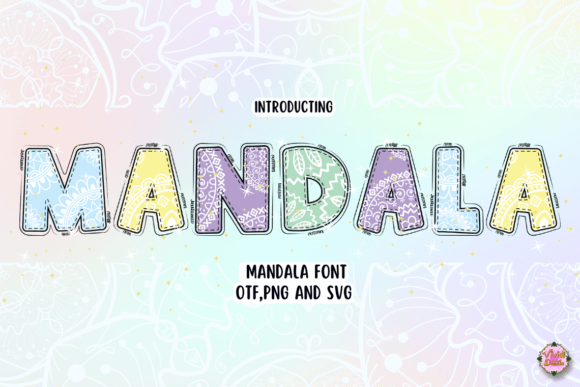
For designers, small business owners, and content creators, typography is the voice of the visual brand. Choosing a premium font is about more than just legibility; it is about finding a typeface that carries the right emotional weight. The Mandala typeface is designed with letters, punctuation, and numbers that feature intricate, symmetrical patterns reminiscent of the spiritual art form. It offers a distinct stylistic alternative to standard serif or sans serif fonts, providing a look that is both elegant and captivating. Whether you are crafting a logo for a wellness brand or designing a poster for a music festival, this typeface provides a unique texture that standard system fonts simply cannot replicate.
The Aesthetic of Symmetry in Branding
When we talk about brand identity, we are talking about recognition and trust. A cohesive brand uses design assets that work together to tell a consistent story. The visual characteristics of the Mandala font—its repetition, balance, and intricacy—make it a powerful asset for specific industries. If you are working on packaging design for organic products, yoga studios, or artisanal crafts, this font immediately communicates a connection to nature, mindfulness, and detail-oriented quality.
However, using a display font like this requires a strategic approach. Because the characters are highly detailed, they are best suited for headlines, logos, and hero text rather than long-form body copy. The strength of this creative font lies in its ability to draw the eye. In editorial design, for example, you might use the Mandala typeface for a chapter title in a lifestyle magazine, pairing it with a clean, lightweight sans-serif for the subheadings. This contrast creates a visual hierarchy that guides the reader's eye naturally from the artistic header to the informational content.
Practical Applications: From Digital to Print
The versatility of a display font like Mandala extends across a wide range of mediums. For those in the digital space, the font offers a way to stand out in a crowded feed. Consider using it for social media graphics where attention spans are short. A bold, intricate title on an Instagram post or a Pinterest pin can stop the scroll, encouraging higher engagement rates. It is particularly effective for quotes, announcements, or sale headers where you want the text itself to be the focal point of the image.
In the realm of physical products, the application is just as robust. The font is excellent for:
- Merchandise: Creating stylish t-shirt designs, tote bags, or mugs where the text acts as a graphic element.
- Event Stationery: Designing invitations, menus, and place cards for weddings or corporate retreats that require a touch of elegance.
- Signage: Producing posters and banners that need to be readable from a distance while maintaining an artistic flair.
It is important to note the technical specifications of this asset to ensure a smooth workflow. The Mandala Font is available as a color font (OpenType-SVG). This technology allows for the rich, detailed textures and colors you see in the preview to be embedded directly into the font file. This is a game-changer for Adobe Photoshop and Illustrator users, as it allows for complex visual effects without needing to outline text or apply heavy layer styles. However, for crafters using cutting machines like Cricut or Silhouette, it is vital to use the included black version of the font. The SVG color files are not compatible with cutting software, but the solid black version is optimized to cut cleanly, allowing you to create intricate vinyl decals or paper cutouts with ease.
Pairing Typography for Maximum Impact
One of the most common questions in web design and branding is how to pair fonts effectively. When you have a strong, personality-driven typeface like the Mandala font, you need a supporting cast that complements rather than competes. Because Mandala is decorative and geometric, it pairs best with fonts that are simple and understated.
A classic sans serif font with uniform stroke widths works beautifully as a secondary typeface. Think of fonts like Montserrat, Lato, or Open Sans. These provide a clean, modern backdrop that allows the intricate details of the Mandala letters to shine without making the overall design feel cluttered. Alternatively, a simple script font with a consistent flow can add a touch of softness, creating a romantic or bohemian vibe suitable for wedding invitations or lifestyle branding.
When testing your font pairings, consider the "squint test." Step back from your screen and squint your eyes. If the design looks like a solid block of noise, you have too much detail. If the hierarchy is clear—meaning you can instantly tell the headline from the body text—you have found a good balance. The goal is to use the Mandala font to establish the mood, and the secondary font to deliver the message.
Readability and Commercial Considerations
While style is important, readability is king. A beautiful font is useless if your audience cannot decipher the message. The Mandala typeface is designed to be legible at larger sizes, but because of its decorative nature, it is not intended for small body text. Always prioritize the user experience. If you are designing a web design header, ensure there is enough contrast between the text and the background. Because the font features intricate patterns, a solid, contrasting background color usually works best to ensure the details don't get lost.
For those looking to use this typeface for commercial projects, licensing is a crucial factor. Whether you are a freelance designer creating assets for a client or a small business owner designing your own packaging, you must ensure you have the correct license. The Mandala Font is a commercial font, meaning it is cleared for use in projects that generate revenue. Always review the specific terms regarding the number of users or computers the license covers. This protects both you and the type foundry that created the asset.
Elevating Your Creative Toolkit
Investing in high-quality design assets is an investment in your efficiency and your final output. Having a font like Mandala in your toolkit means you have an immediate solution for projects that require a spiritual, organic, or highly decorative aesthetic. It saves you the time of trying to force a standard font to fit a mood it wasn't designed for.
Ultimately, the Mandala font is a celebration of symmetry and intricacy. It transforms standard text into art. By understanding its strengths—its visual impact, its compatibility with design software, and its ideal use cases—you can leverage this typeface to create marketing assets and products that resonate deeply with your audience. Whether you are launching a new wellness app, designing a line of greeting cards, or rebranding a boutique studio, this typeface offers a pathway to designs that are not only seen but felt.