Creative Font: Where Retro Charm Meets Modern Design
There's a particular kind of magic in typography that feels both nostalgic and fresh—a typeface that carries the warmth of hand-lettered signage from decades past while still looking perfectly at home on a contemporary Instagram post or a sleek product label. That's the sweet spot Creative occupies. This color font brings a playful, retro-inspired personality to projects without sacrificing versatility, making it a genuinely useful addition to any designer's toolkit or small business owner's branding resources.
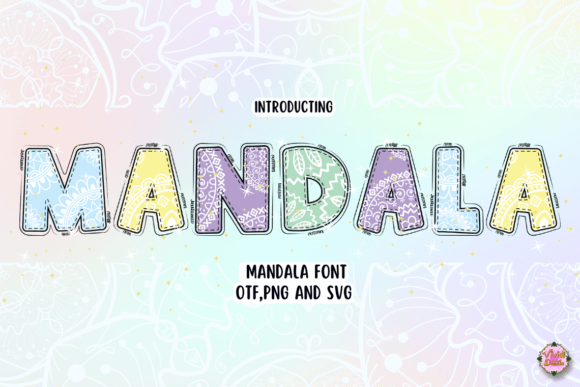
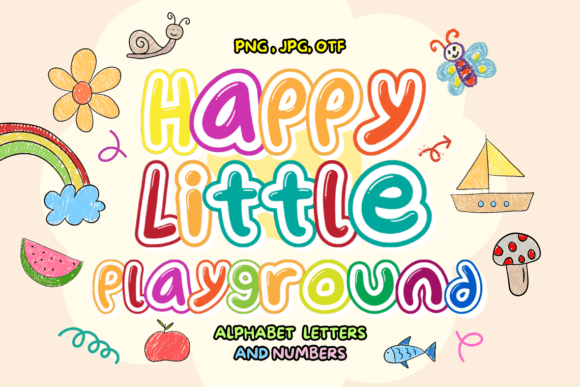
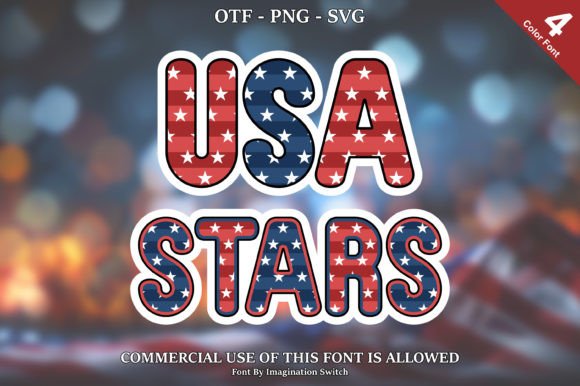
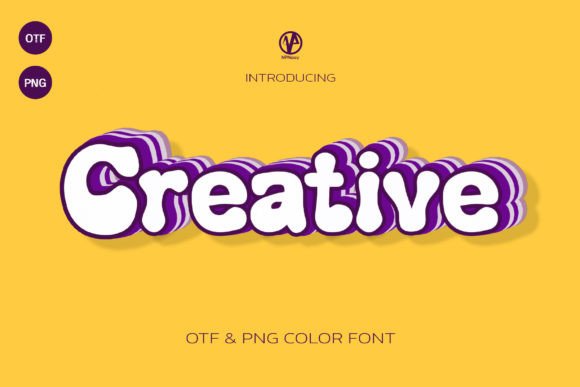
What sets Creative apart from thousands of other display fonts is its built-in color capability. Rather than relying on flat, single-tone letterforms, this typeface arrives with layered color effects already embedded in its design. The result is lettering that pops off the screen with dimension and character—something that would typically require extra design steps in software like Photoshop or Illustrator. For anyone working on greeting cards, sticker sheets, social media graphics, or headline treatments, that kind of instant visual impact saves real time and creative energy.
A Typeface with Personality and Purpose
Creative isn't trying to be everything to everyone, and that's precisely what makes it effective. Its retro-cute aesthetic—think rounded terminals, slightly condensed proportions, and a cheerful weight—positions it squarely in the territory of brands and projects that want to communicate approachability, fun, and authenticity. A boutique bakery updating its packaging, a lifestyle blogger refreshing their Pinterest templates, or a children's event planner designing invitations would all find this font speaks their visual language fluently.
The visual characteristics lean into a mid-century modern sensibility with just enough contemporary polish to avoid feeling like a period piece. The letterforms have a handcrafted quality that suggests someone actually cared about the details, which resonates strongly with audiences who value artisanal and independent brands. At the same time, the consistency across the character set ensures it reads as professional rather than amateurish—a distinction that matters enormously when you're building brand recognition.
Practical Applications Across Design Disciplines
Where Creative truly earns its place in a designer's font library is in the breadth of projects it handles well. Consider these real-world scenarios where this typeface shines:
- Logo design and brand identity: For brands targeting a youthful, creative, or nostalgic demographic, Creative offers a distinctive wordmark foundation. Pair it with a clean sans serif for body copy, and you have an instant visual system that feels cohesive and memorable.
- Packaging design: Product labels for cosmetics, artisan foods, stationery, and craft supplies benefit enormously from typefaces that convey personality at a glance. The color font format means packaging mockups look closer to the finished product from the earliest design stages.
- Social media graphics: Scroll-stopping text is non-negotiable on platforms like Instagram and Pinterest. Creative's built-in color and retro flair make quote graphics, sale announcements, and story templates feel designed rather than templated.
- Print materials: From posters and flyers to business cards and thank-you notes, the font maintains its charm across different print sizes—though it's worth noting it performs best at larger display sizes where its personality can breathe.
- Digital products and merchandise: If you sell printable wall art, planner stickers, or custom merchandise through platforms like Etsy, a distinctive font like Creative helps your products stand out in crowded marketplaces.
- Editorial layouts and blogs: Pull quotes, section headers, and featured image overlays gain instant character when set in a typeface with this much visual warmth.
Making It Work: Pairing, Readability, and Licensing
No single font should carry an entire design alone, and Creative is no exception. The most successful uses of this typeface treat it as a headline or accent font, pairing it with simpler companions for longer text passages. A geometric sans serif like Montserrat or Poppins provides clean contrast for body copy, while a classic serif like Playfair Display can create an interesting tension between vintage and refined. Experiment with combinations in your design software before committing—what looks charming in isolation can sometimes compete for attention when placed alongside other expressive elements.
Readability deserves honest consideration. Creative's retro-cute styling works beautifully at poster sizes, social media graphics, and logo scales. For anything below roughly 18 points, however, its decorative qualities may compromise legibility. This isn't a flaw—it's simply the nature of display typography. Smart designers match typeface personality to context, using Creative where impact matters most and switching to more neutral options for paragraphs, captions, and fine print.
One practical note that deserves emphasis: the color version of Creative works specifically with design programs that support color font technology, including Adobe Photoshop, Adobe Illustrator, Silhouette Studio, and Inkscape. If you use Cricut for cutting projects, the color OTF and TTF files won't be compatible—a limitation of the platform rather than the font itself. Standard versions included in the package work across broader software environments, so always review what's included in your download and test compatibility before starting a project.
Building Visual Consistency and Brand Recognition
For small business owners and content creators, every design choice either reinforces or dilutes brand identity. Typography is one of the most powerful tools for building that consistency because people recognize letterforms almost as quickly as they recognize faces and logos. When you use Creative consistently across your touchpoints—website headers, email newsletters, product tags, social posts—you create a visual thread that audiences learn to associate with your brand specifically.
This doesn't mean using the font everywhere indiscriminately. Strategic deployment matters more than saturation. Reserve it for the moments where you want your brand's personality to come through most strongly: a homepage hero section, the title treatment on your latest product launch, or the recurring header format on your Instagram stories. That selective consistency builds recognition without becoming visually exhausting.
Commercial licensing is another consideration worth addressing early. If you're creating designs for clients, selling products featuring the font, or using it in paid advertising, verify that your license covers commercial use. Most premium font designers offer clear licensing terms, and investing in the proper license protects both your business and the type designer's livelihood. It's a small administrative step that prevents significant headaches later.
A Design Asset Worth Exploring
Finding fonts that balance personality with practicality is harder than it sounds. Too many typefaces lean so far into decoration that they become unusable outside a single niche, while others play it so safe they contribute nothing memorable to a design. Creative threads that needle thoughtfully—offering enough retro-cute charm to make projects feel distinctive while maintaining the structural consistency needed for professional application across branding, packaging, editorial work, and digital content.
The key is approaching it as one tool among many rather than a universal solution. Test it against your existing design assets. Try it in mockups before committing to final production. Pay attention to how its color rendering looks at different sizes and on different screens. When you find the right context—and there are many—Creative delivers exactly what its name promises: a font that makes your work feel genuinely creative, without requiring hours of custom lettering to get there.