Love Note: The Color Font That Speaks Volumes
There’s a moment in every creative project where you know you’ve found something special. It might be the perfect image, a color palette that clicks, or a font that doesn’t just display words but gives them a voice. That’s the kind of connection many designers and creators feel when they first encounter Love Note, a color font that transforms typography from a functional element into a central visual storyteller.
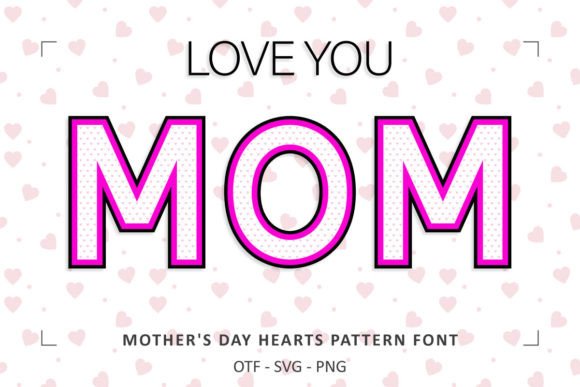
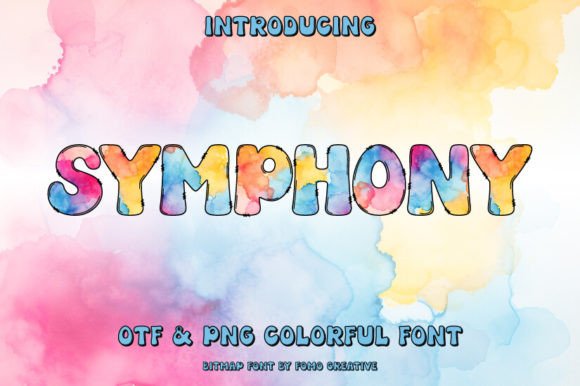
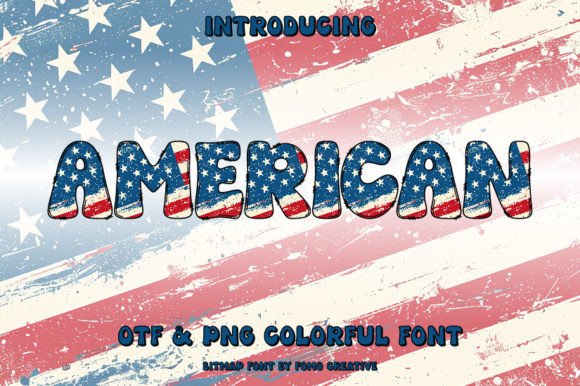
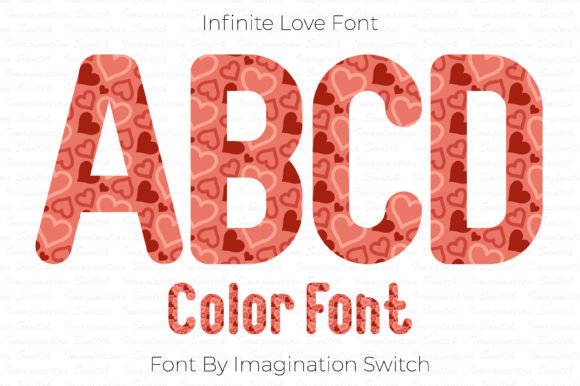
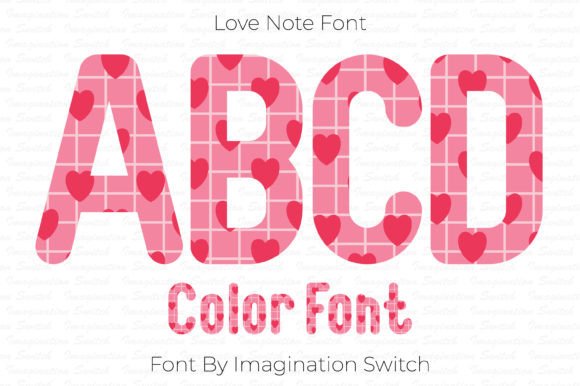
Unlike traditional typefaces that rely solely on shape, Love Note integrates color directly into each character. Every uppercase letter, lowercase glyph, and number is meticulously crafted with its own unique hue, creating a built-in visual harmony. This isn’t just a font with a colored overlay; it’s a typographic system designed for immediate visual impact. The careful selection of colors ensures that words and numbers pop with a mesmerizing, cohesive look, making it a powerful tool for anyone looking to inject personality and creativity into their work without complex design steps.
A Typeface Built for Visual Storytelling
What sets Love Note apart is its dual nature: it functions as a complete, versatile typeface while also acting as a standalone design asset. The character set is comprehensive, covering the practical needs of real-world projects. You get the full range of letters and numbers, which means you can set entire headlines, create logos, or design key phrases with consistent, colorful results. This completeness is crucial for maintaining a professional standard. You’re not limited to a few decorative letters; you can communicate full messages with a distinctive style.
From a practical standpoint, this font shines in applications where visual appeal is paramount. Think of a social media graphic that needs to stop the scroll, a website banner that must communicate a brand’s energy instantly, or packaging that requires shelf presence. Love Note delivers that “wow” factor. Its legibility, despite the artistic color treatment, is thoughtfully considered. The characters are designed to be clear and readable at various sizes, a critical factor often overlooked in decorative fonts. This makes it suitable for both large display text and smaller, supporting copy where a touch of flair is needed.
Where Creativity Meets Practicality: Real-World Applications
For small business owners and entrepreneurs, choosing the right typography is a foundational part of building a brand identity. A font like Love Note can serve as the cornerstone of a visual brand for a boutique bakery, a creative studio, or a lifestyle brand. Imagine it used for a logo—it immediately conveys a sense of artistry, warmth, and uniqueness. On product packaging, it can elevate an ordinary label into something that feels handmade and special, enhancing the unboxing experience.
Content creators and marketers will find it invaluable for crafting engaging digital assets. The font is perfect for designing eye-catching Instagram story templates, Pinterest pins, or YouTube thumbnails that stand out in a crowded feed. Its built-in color can help maintain visual consistency across a campaign, reinforcing brand recognition with every piece of content. For bloggers, using Love Note for article titles or pull quotes can break up text-heavy pages and guide the reader’s eye, improving the overall reading experience and engagement.
The applications extend beautifully into print. Wedding invitations, event posters, and editorial layouts gain an immediate touch of elegance and personality. The font’s colorful character makes it ideal for merchandise like tote bags, mugs, or t-shirts, where a simple phrase becomes a vibrant design statement. For designers creating digital products—such as printable planners, worksheets, or social media template kits—Love Note adds significant value, offering customers a unique and ready-to-use design solution.
Making It Work: Practical Tips for Integration
Adopting a distinctive font like Love Note into your design toolkit requires a bit of strategy to maximize its effectiveness. The first rule is to let it be the star. Because it carries so much visual weight, it’s best used for headlines, logos, and key focal points. Pair it with a clean, neutral sans-serif or serif font for body text to ensure readability and create a balanced hierarchy. For example, a Love Note headline paired with a classic font like Lato or Georgia for paragraphs creates a dynamic yet professional layout.
Always test your typography in context. How does Love Note look on a dark background versus a light one? Does the color palette of the font complement or clash with your overall brand colors? View it at the actual size it will be used—what looks stunning as a large poster title might become a blurry mess on a small mobile screen. Pay attention to the spacing; you may need to adjust kerning or leading slightly for optimal clarity.
Before committing to a major project, review all the included font styles and characters. Understanding the full range of what’s available allows you to be more creative and avoid surprises down the line. Finally, and most importantly, consider the licensing. For any commercial use—from client work to selling merchandise—ensure you have the correct commercial license. This protects you legally and supports the font creators who invest time in crafting these specialized design assets.
Ultimately, a typeface like Love Note is more than just a collection of letters. It’s a design partner that can help you express creativity, build a memorable brand, and connect with your audience on a visual level. It bridges the gap between functional typography and expressive art, giving you a unique tool to make every project feel crafted, thoughtful, and unforgettable. In a world saturated with generic text, a font with built-in personality is a powerful way to make your message not just seen, but felt.