Hands Off the Boring: Why the Handsome Font Changes the Game
You know that feeling when you see a logo or a social media post, and it just feels… right? It isn't necessarily because the image is spectacular, but because the typography carries a specific vibe that matches the message perfectly. That is the power of a display font with personality. In the sea of rigid sans-serifs and standard serifs, finding a typeface that breathes life into your words is like striking gold. Enter Handsome. It isn't just a name; it’s a promise of charm, fluidity, and character. If you are a designer, entrepreneur, or content creator trying to break away from the corporate stiffness that dominates much of the web, understanding how to wield a font like this can be the bridge between a forgettable project and a memorable brand experience.
So, what exactly makes this typeface stand out? It’s the balance. A lot of script or handwritten fonts lean too far into "messy" or "chaotic," making them impossible to read in long sentences. Others are so stiff they might as well be Arial. Handsome sits in that coveted sweet spot. It has the organic flow of a hand-drawn illustration but retains the structure needed for legibility. It’s a premium font that feels personal, bridging the gap between professional polish and human warmth. For anyone working on creative or commercial projects, this versatility is your secret weapon. It’s the kind of typography that makes a viewer feel like a real human is talking to them, not a corporation.
The Visual Anatomy of Charm
When you look at the curves and connections of a font like Handsome, you are seeing modern typography applied to a classic concept. It often functions as a display font, meaning it shines brightest in headlines, logos, and short bursts of text. But unlike many decorative fonts that are strictly for titles, this one has enough clarity to be used for subheadings or even short paragraphs on packaging.
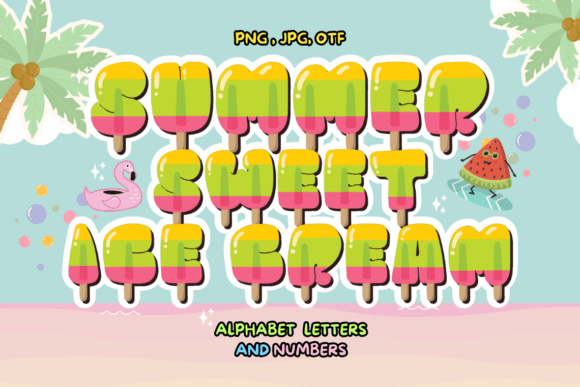
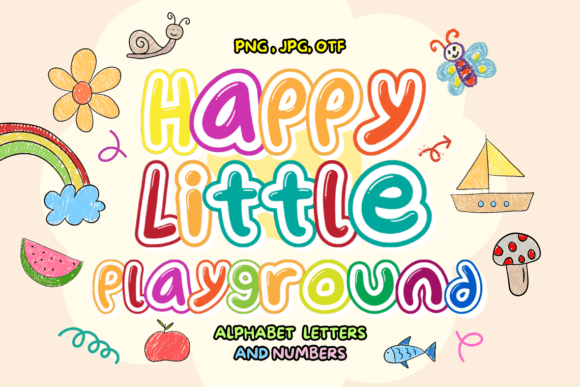
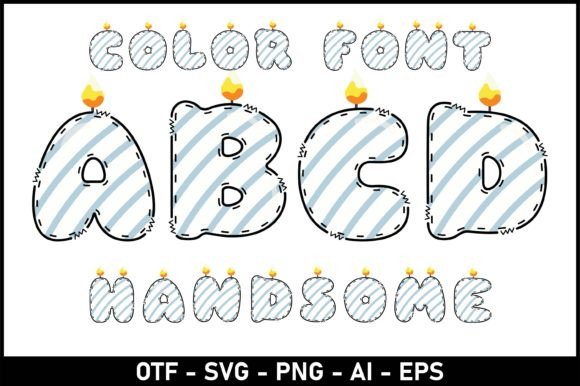
Visually, it offers a fluid, artistic aesthetic. These fonts are often used in designs that aim to convey a playful or artistic feel, such as children’s books, posters, invitations, greeting cards, and more. For instance, children’s books often utilize fonts that are whimsical, colorful, and easy to read, creating an engaging reading experience for young audiences. However, Handsome isn't just for kids. Because it carries a certain sophistication—perhaps in the way the letters connect or the variation in stroke weight—it works beautifully for adult-focused branding too. Think of a high-end bakery, a boutique clothing line, or a lifestyle blog. It conveys creativity without sacrificing elegance.
The visual appeal lies in its ability to mimic natural handwriting without the inconsistencies that usually plague handwritten fonts. You get the warmth of a signature, but with the reliability of a digital typeface. This makes it a robust design asset for anyone looking to inject personality into their work.
Practical Applications: From Screen to Print
Theory is great, but let’s talk shop. How do you actually use Handsome in the real world? The applications are surprisingly vast, ranging from digital products to physical merchandise.
For Branding and Logo Design, this font is a heavy hitter. If you are a small business owner launching a brand that needs to feel approachable—think coffee roasters, florists, or handmade crafts—this typeface sets the tone immediately. It tells your customers, "We care about aesthetics, but we aren't stuffy." It creates an instant emotional connection that standard corporate fonts simply cannot achieve.
When it comes to Packaging Design, readability is king, but personality is the queen. Handsome works well on labels, boxes, and hang-tags because it stands out on the shelf. It gives products a "boutique" feel, suggesting that there is a story behind the product. Whether it’s a jar of jam or a bottle of essential oils, the typography elevates the perceived value of the item.
In the realm of Editorial Design and Print Materials, consider how you can use it to break up the monotony of text. A magazine layout or a brochure needs hierarchy. Using a standard serif for the body text and Handsome for pull quotes or section headers can guide the reader's eye and add a visual rhythm to the page. It’s perfect for posters and invitations where the typography needs to do the heavy lifting of the design. Wedding invites, event flyers, and greeting cards all benefit from that hand-crafted look.
Don't forget the digital space. Social media graphics need to stop the scroll. A bold, artistic header written in a font like Handsome can cut through the noise of a busy Instagram feed. It’s also excellent for Web Design headers and hero images, giving your site a unique voice the moment a visitor lands on the page. Even for digital products like e-books or online course materials, using this font for chapter titles can make the content feel more premium and engaging.
Strategic Typography: More Than Just Looks
Choosing a creative font is an aesthetic decision, but it is also a strategic one. Using Handsome effectively can significantly improve your project's success metrics, particularly regarding Visual Consistency and Brand Recognition.
When you select a typeface with a strong personality, it becomes a mnemonic device for your audience. They start to associate that specific style of writing with your brand. This is crucial for brand identity. If you use a chaotic mix of fonts, your brand feels disjointed. But if you use a distinctive display font like this one consistently across your marketing assets, you build a visual language that people recognize instantly.
Furthermore, the right font choice impacts Audience Engagement. People are naturally drawn to things that look good. If your text feels inviting and artistic, people are more likely to read it. This is vital for blogs and content marketing. A blog post with a beautiful, whimsical header feels more inviting to read than one typed out in standard Times New Roman. It sets a mood before the reader has even processed the first sentence.
Mastering the Pairing and Licensing
One of the most common pitfalls in design is using a "novelty" font for everything. While Handsome is versatile, it shouldn't stand alone for large blocks of body copy. This is where Font Pairing comes in. To maintain readability, pair this artistic display font with a clean, simple sans-serif or a classic serif font. For example, using a modern sans-serif for your paragraphs allows the headers in Handsome to pop without overwhelming the reader. The contrast creates a visual hierarchy that looks professional and intentional.
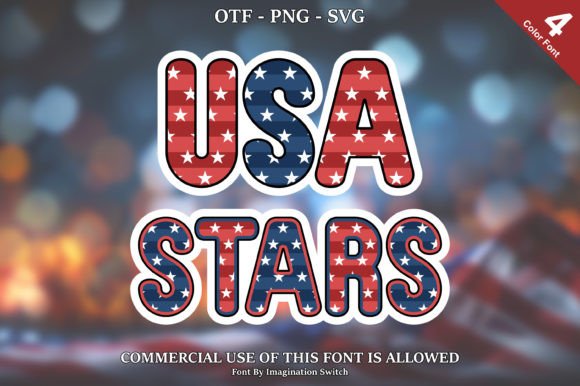
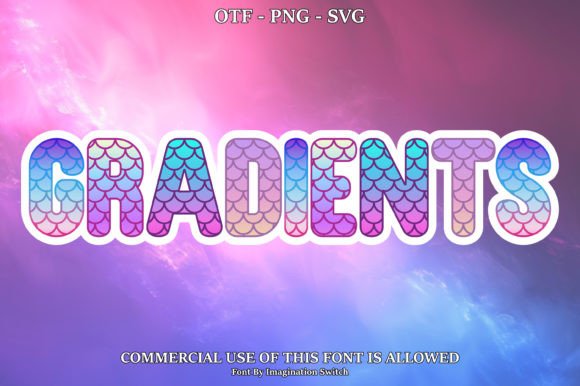
Before you finalize your design, take the time to review the included font styles. Many premium fonts come with different weights, alternates, or ligatures. Exploring these features can add depth to your design. Maybe there is a swash on the capital 'S' that makes your logo look even more dynamic. Experimenting with these details separates amateur work from professional design.
Finally, and perhaps most importantly, we have to talk about the boring but essential stuff: Commercial Licensing. If you are a freelancer or a business owner, you must ensure you are using a commercial font license. Using a free version of a font for a client’s logo or a product you intend to sell can lead to legal headaches down the road. A proper license ensures you have the rights to use the font in your specific context, whether it's for merchandise, software, or print. It’s a small investment that protects your business and respects the work of the type designers.
Ultimately, typography is the voice of your design. It whispers, shouts, or sings your message to the world. By choosing a typeface that balances artistic flair with structural integrity, you aren't just making something look pretty; you are communicating effectively. Whether you are designing a wedding invite, launching a new coffee brand, or refreshing your website, taking the time to find the right font—and use it correctly—is one of the smartest moves you can make. It transforms your project from a collection of pixels and ink into a cohesive, living brand experience.