Active: A Font Family That Brings Creative Energy to Every Project
There's something special about a typeface that feels alive on the page. You know the feeling—when letters seem to dance with personality rather than just sitting there, dutifully spelling out words. That's the kind of energy the Active font family brings to the table, and it's exactly why so many designers, entrepreneurs, and creative professionals find themselves reaching for it when a project needs that extra spark of visual warmth.
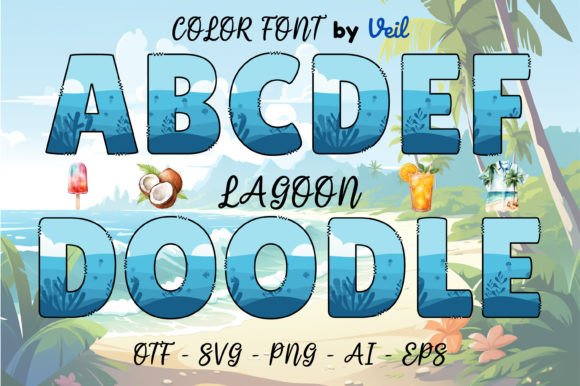
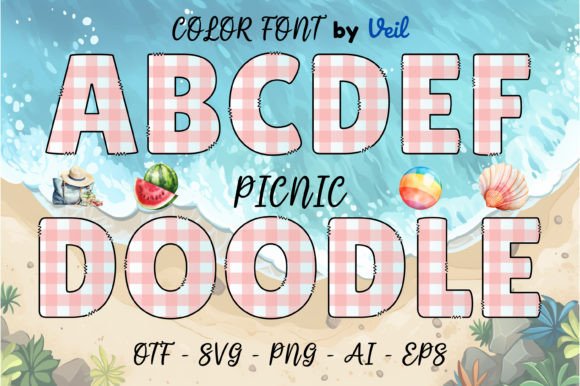
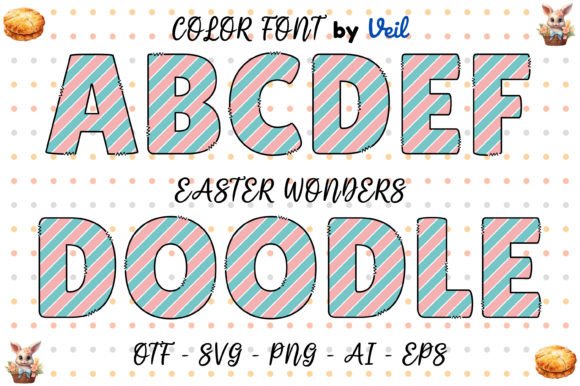
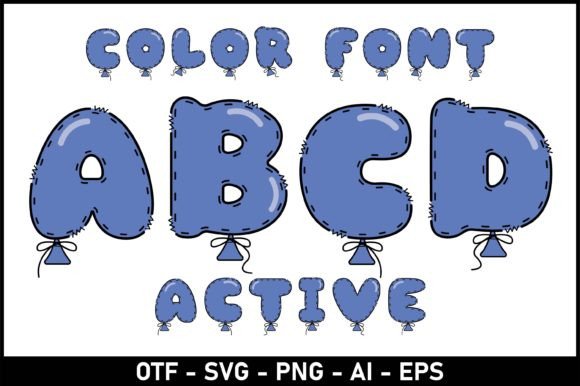
Active is a premium font that walks the line between playful charm and professional polish. Its letterforms carry a subtle bounce, with curves that feel hand-drawn without sacrificing the clean readability that modern projects demand. Whether you're designing a children's book cover, crafting social media graphics for a boutique bakery, or building out an entire brand identity for a new startup, this typeface has a versatility that surprises people the first time they work with it.
Where Personality Meets Purpose
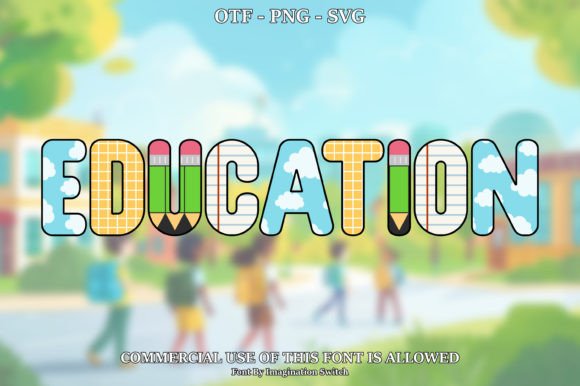
What makes Active stand out in a sea of creative fonts is its ability to communicate emotion without overwhelming the message. These fonts are often used in designs that aim to convey a playful or artistic feel, such as children's books, posters, invitations, greeting cards, and more. For instance, children's books often utilize fonts that are whimsical, colorful, and easy to read, creating an engaging reading experience for young audiences. Active fits that mold beautifully, but it doesn't stop there.
Consider a small business owner launching a line of handmade candles. The packaging needs to feel artisanal and approachable—something that catches a shopper's eye on a crowded shelf while still looking trustworthy. A typeface like Active delivers that handwritten warmth without looking sloppy or amateurish. Pair it with a clean sans serif font for product descriptions, and suddenly the entire design feels intentional and cohesive.
The same principle applies across dozens of real-world scenarios. A yoga studio's website might use Active for headings to convey a sense of movement and mindfulness. A wedding planner could build an entire suite of invitations, menus, and signage around its elegant yet friendly character. A food blogger might choose it for recipe titles to give their site a personal, approachable feel that makes readers want to stay and explore.
Practical Applications Across Industries
One of the most valuable qualities of a well-designed display font is its range. Active doesn't pigeonhole you into one type of project. Here's where designers and business owners commonly put it to work:
- Logo Design: Brands that want to feel energetic, youthful, or creative often gravitate toward fonts with personality. Active's letterforms give logos a distinctive voice that's memorable without being gimmicky.
- Packaging Design: From artisanal food products to cosmetics and craft supplies, packaging needs typography that tells a story at a glance. This font does that heavy lifting with ease.
- Social Media Graphics: In a feed full of competing visuals, a bold and expressive typeface helps posts stand out. Active works beautifully for quote graphics, promotional announcements, and story templates.
- Editorial Layouts: Magazine features, blog headers, and digital publications benefit from display fonts that draw readers in. Active's visual rhythm makes it a strong choice for pull quotes and section titles.
- Invitations and Greeting Cards: Whether it's a birthday party, baby shower, or holiday card, the font sets the tone before anyone reads a single word of the actual message.
- Merchandise and Print Materials: T-shirts, tote bags, stickers, and posters all rely on typography that translates well across different sizes and printing methods.
- Websites and Digital Products: From landing pages to downloadable planners and e-books, Active adds a human touch that makes digital experiences feel warmer and more personal.
Building Visual Consistency Across Your Brand
Here's something many small business owners and content creators learn the hard way: using a different font for every project creates visual chaos. Your Instagram graphics look one way, your website feels like something else entirely, and your printed materials tell yet another story. The result is a brand that feels scattered and forgettable.
Choosing a versatile typeface family and committing to it across touchpoints solves this problem. When you select a font like Active and use it consistently—paired with complementary typefaces for body text—you create a visual language that audiences begin to recognize. That recognition compounds over time. People start associating your typography with your brand before they even read the words.
The key is thinking about typography as part of your broader brand identity, not as an afterthought. A brand strategist would tell you that every visual element either reinforces or dilutes the story you're trying to tell. Fonts are no exception. The right modern typography choices signal professionalism, attention to detail, and a clear point of view.
Pairing and Readability: Getting the Details Right
No font exists in isolation. Even the most beautiful display font needs partners to handle the heavy lifting of body text, captions, and smaller UI elements. One practical approach is to pair Active with a straightforward sans serif font for longer passages. The contrast between the expressive display type and the neutral body text creates visual hierarchy that guides the reader's eye naturally.
Readability deserves serious attention, especially when you're working with a handwritten font or script-inspired typeface. A few things worth keeping in mind:
- Size matters. Display fonts like Active are designed for headlines and larger text sizes. Using them for paragraphs of body copy will almost always hurt readability.
- Test on multiple screens. A font that looks gorgeous on your desktop monitor might feel cramped or blurry on a mobile phone. Always preview your designs at the sizes your audience will actually see them.
- Check the character set. Before committing to any commercial font, review what's included. Does it have the punctuation, numerals, and special characters your project requires? Many premium fonts include alternates, ligatures, and stylistic sets that expand your creative options.
- Consider licensing carefully. If you're using a font for client work, merchandise, or digital products you plan to sell, make sure the license covers commercial use. This is one of those details that's easy to overlook but can cause real headaches down the road.
Making Typography Work for Your Audience
Every design decision ultimately serves the person on the receiving end. A children's educational app needs fonts that young readers can decode easily. A luxury skincare brand might lean toward elegant serifs and refined spacing. A fitness coach building an online presence needs typography that feels strong and motivating.
Active tends to resonate most with audiences who appreciate warmth, creativity, and authenticity. If your brand personality skews toward approachable rather than corporate, energetic rather than formal, this kind of typeface earns its place in your design toolkit. Think about the brands and publications you personally find visually inviting. Chances are, their typography choices play a bigger role in that attraction than you initially realized.
The best advice anyone can give about choosing fonts is simple: test them in context. Don't judge a typeface by how it looks in a specimen sheet. Drop it into your actual layout. See how it interacts with your color palette, your imagery, your spacing. Print it out. View it on your phone. Show it to someone who hasn't been staring at the design for three hours. Fresh eyes catch things that yours won't.
Typography is one of those design elements that works hardest when it's working quietly. A well-chosen font doesn't demand attention—it earns trust, sets mood, and makes everything around it look more intentional. Whether you're a designer building out a client's brand system, an entrepreneur launching your first product line, or a hobbyist creating something purely for the joy of it, investing time in your font choices pays dividends you'll see across every project you touch.