The Whimsical World of Oranges: A Font for Playful Projects
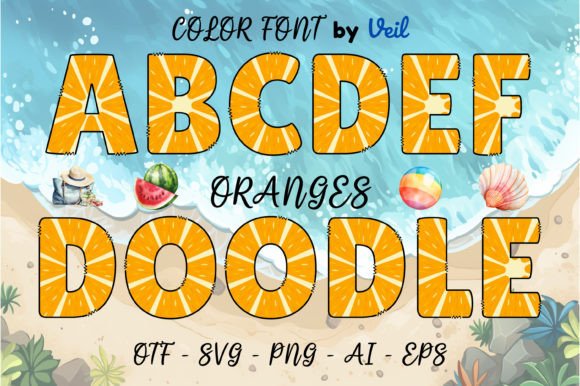
You know that feeling when you stumble upon a design element that just clicks? It’s not just a tool; it’s a personality waiting to be unleashed. That’s the experience with the Oranges typeface. It’s a color font, which is a game-changer in itself, but its true magic lies in its ability to instantly inject a sense of joy, creativity, and approachable energy into any project. Forget sterile, corporate letterforms—this is a typeface that wants to have fun, and it invites your audience to join in.
More Than Just Letters: The Visual Appeal of a Color Font
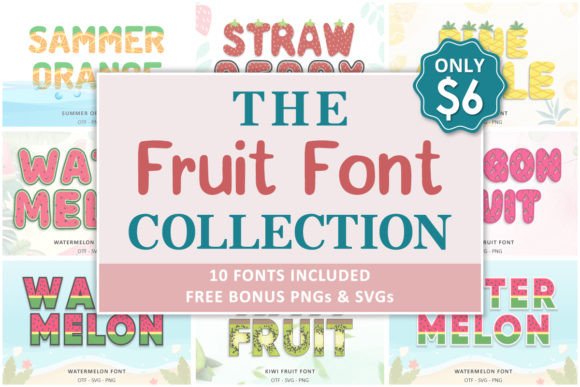
At its core, Oranges is a display font designed to make a statement. Its forms are inherently playful, with a slightly irregular, handcrafted feel that avoids being messy. The real innovation is its nature as a color font. This means the letters themselves can contain multiple colors, gradients, and textures directly within the font file. Imagine a logo where the letters aren’t just red, but are filled with a vibrant, juicy orange slice pattern, or a poster headline that pops with a rainbow gradient without you having to manually color each letter in your design software. This built-in visual richness is a massive time-saver and ensures a level of consistency that’s hard to achieve manually.
For anyone working on a brand identity, this characteristic is invaluable. A children’s party planner, a boutique bakery, or a creative toy maker could use Oranges as the cornerstone of their visual consistency. The font’s whimsical vibe becomes synonymous with the brand’s promise of fun and quality, boosting brand recognition in a crowded market.
Where Playfulness Meets Practicality: Real-World Applications
Let’s get specific. Where does a font like Oranges truly shine? Its strength lies in contexts where capturing attention and conveying a friendly, artistic tone is more important than conveying solemn authority.
For the Entrepreneur and Small Business Owner:
- Packaging Design: Imagine a line of artisanal jams, organic kids’ snacks, or craft coffee blends. Using Oranges for the product name on the label instantly communicates a handmade, joyful quality. It stands out on a shelf full of serious, minimalist designs.
- Logo Design: This is a prime use case. A logo built with the Oranges typeface tells a story before a customer even reads the tagline. It says, “We’re creative, we’re approachable, and we care about delightful details.” It’s perfect for a local ice cream shop, a children’s bookstore, or a creative workshop space.
- Invitations & Event Materials: From birthday parties to community fair flyers, the font sets the tone immediately. It promises an event that will be engaging and memorable, not stiff and formal.
For the Content Creator and Marketer:
- Social Media Graphics: In a fast-scrolling feed, a post that uses Oranges for a key headline or a call-to-action can stop the scroll. It’s perfect for announcements, quotes, and promotional graphics for lifestyle, family, or creative niches. It adds a burst of personality that generic sans-serifs lack.
- Blog Headers & Digital Products: If you sell downloadable planners, art prints, or educational worksheets for kids, incorporating this font can elevate your digital products from functional to delightful. It enhances the perceived value and makes your assets feel more premium and thoughtfully designed.
- Website Banners & Calls-to-Action: While you wouldn’t use it for body text, a strategically placed headline in Oranges on a landing page can guide the visitor’s eye and reinforce your brand’s friendly voice. It’s about using it as an accent to draw attention where you want it.
Strategic Styling: Making the Font Work for Your Brand
Adopting a creative font like this requires a bit of strategy to ensure it enhances rather than overwhelms your message. The key is font pairing. Because Oranges is a bold, expressive display font, it needs a quieter partner for longer text.
A classic and effective approach is to pair it with a clean, neutral sans serif font. Think of fonts like Montserrat, Open Sans, or Lato for your body copy. This creates a beautiful contrast: the playful, colorful headlines grab attention, while the clean sans-serif ensures your paragraphs remain easy to read and professional. You could also explore pairing it with a simple, sturdy serif font for a more editorial, storybook feel, especially if your project leans into a classic children’s narrative aesthetic.
Readability considerations are paramount. Always test your chosen pairing at the actual size it will be used. A headline that looks vibrant on your monitor might become cluttered when printed small on a business card. Use Oranges for short bursts of text—headings, subheadings, logos, and pull quotes—where its personality can shine without hindering comprehension.
From Concept to Commercial Use: Final Considerations
Before you dive in, a few practical notes. First, explore all the font styles included in the family. Often, a premium font like this comes with variations—perhaps a solid version alongside the color version, or different weight options. Understanding what’s in your toolkit gives you more flexibility.
Second, and this is critical for any commercial project: review the licensing. The terms for a commercial font dictate how you can legally use it—on your website, in client work, on merchandise for sale, or in digital products. Ensure the license covers your intended use cases to avoid legal headaches down the road. Reputable font marketplaces make this information clear.
Ultimately, Oranges is more than just a design asset; it’s a mood-setter. It’s for the designer who wants to move beyond the safe and standard, for the small business owner who believes their brand should feel as good as their product tastes, and for the content creator who wants to build a visual world that feels uniquely theirs. In a landscape saturated with uniformity, it offers a chance to be distinctively, joyfully memorable.