Summer Time: A Playful Typeface for Creative Projects
There's something about a font that can instantly evoke a feeling. It's the difference between a design that feels sterile and corporate versus one that radiates warmth and personality. For creators working on projects that need a dose of fun, artistry, and approachability, the typography choice is paramount. The right typeface doesn't just display words; it communicates a mood before the first sentence is even read.
Capturing a Whimsical and Artistic Vibe
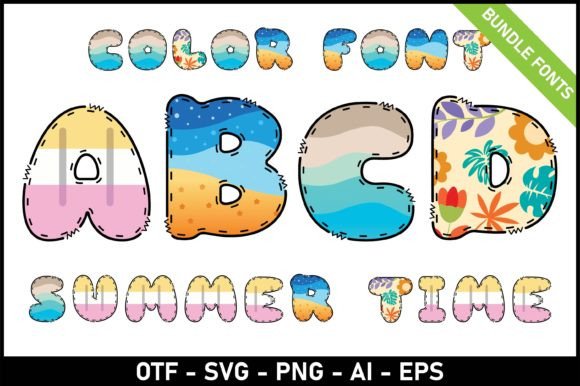
Fonts designed with a playful or artistic sensibility are more than just letterforms; they're visual storytellers. Think of the charming irregularity of a hand-drawn script or the bold, friendly curves of a display font. These typefaces are engineered to feel human and engaging, making them perfect for audiences that appreciate creativity and authenticity over rigid formality. The visual appeal lies in their ability to add character and energy to any layout, transforming mundane text into a focal point.
This particular style of typography shines in applications where connection and imagination are key. Children's books, for instance, rely heavily on fonts that are whimsical, colorful, and easy to read. A well-chosen font here does double duty: it captures a child's attention with its playful shapes while ensuring the story remains accessible. This same principle extends to a wide array of creative and commercial projects. Invitations to a birthday party, posters for a local art fair, or greeting cards with a heartfelt message all benefit from a typeface that feels personal and spirited.
Practical Applications Across Your Creative Work
The versatility of a creative font like this is one of its greatest strengths. It's not limited to one niche but can adapt to various needs, helping you maintain a cohesive visual language across different touchpoints. Here’s how you might put it to work:
- Brand Identity & Logo Design: For small businesses, especially in boutique retail, handmade goods, family services, or creative education, this font can form the cornerstone of a friendly, memorable brand. It helps a logo feel approachable and sets a welcoming tone from the first interaction.
- Packaging & Merchandise: Stand out on the shelf or in an online store. Use it for product names, taglines, or descriptive copy on packaging for artisan foods, cosmetics, or stationery. It's equally effective on merchandise like tote bags, t-shirts, and mugs, where a touch of personality is a selling point.
- Digital & Social Media Graphics: In the fast-scrolling world of social media, a distinctive font can stop the thumb. Use it for Instagram quotes, Facebook post headers, Pinterest graphics, or YouTube thumbnails to create instantly recognizable content that aligns with your brand's playful aesthetic.
- Print Materials & Editorial Design: Elevate invitations, greeting cards, and event posters. For bloggers and publishers, it can be used for article headlines or pull quotes in magazines and zines to add visual interest and break up body text.
- Websites & Blogs: While not suited for long paragraphs of body copy, it’s perfect for website headers, hero section titles, call-to-action buttons, and navigation menu labels. It injects personality into your digital home without sacrificing the readability of your core content.
- Digital Products & Marketing Assets: Design eye-catching e-book covers, course graphics, lead magnet titles, or email newsletter headers. Consistent use of a signature font across these assets strengthens brand recognition and professional presentation.
Enhancing Your Design Strategy
Integrating a distinctive typeface into your toolkit does more than just make things look pretty; it serves strategic goals. Visual consistency is easier to achieve when you have a go-to font that embodies your brand's essence. Using it consistently across your logo, social media, and print materials builds brand recognition—your audience starts to associate that specific style with your business.
While playful fonts prioritize style, readability remains crucial. The best designs balance artistic flair with clear communication. This is where understanding font weight and size comes in. A bold, slightly condensed version might work wonders for a poster headline, while a lighter weight could be perfect for an invitation's details. Always test your chosen font at the size it will be viewed, whether on a mobile screen or a printed card.
A professional presentation is about intentionality. Choosing a premium font over a generic free one signals quality and care. It shows you’ve invested in your project’s visual foundation. This attention to detail doesn’t go unnoticed by your audience and can significantly boost audience engagement. A unique, well-executed design feels more trustworthy and inviting, encouraging people to read on, click through, or make a purchase.
Making Smart Typography Choices
When selecting a font for a project, start with your goal. Is it to feel joyful? Nostalgic? Modern yet friendly? Let that guide you. Don't just pick the first font you like; consider the entire family. Does it come with multiple styles—like regular, bold, italic, and condensed? These variations are essential for creating hierarchy and emphasis in your designs without introducing a conflicting second font.
Font pairing is an art worth practicing. A highly decorative display font like this one rarely works alone. Pair it with a simple, clean sans serif font for body text or supporting information. This creates a pleasing contrast that ensures your main message pops while the details remain legible. Tools like font pairing websites can offer inspiration, but always test combinations in the context of your actual project.
Finally, pay close attention to licensing. A font designed for creative and commercial use will have clear terms. Ensure the license covers your intended applications, whether it's for client work, merchandise for sale, or digital products. Understanding these details upfront prevents headaches later and ensures you're using the asset legally and ethically.
Choosing a typeface is a creative decision with practical consequences. It’s about finding a visual voice that resonates with your project’s heart and speaks clearly to your intended audience. By matching the right font to the right context, you create designs that are not only beautiful but also effective and cohesive.