Red Berry Font: A Sweet Choice for Playful, Artful Design
There’s a particular kind of design challenge that calls for a font with personality—one that doesn’t just convey words but adds a layer of charm, warmth, or whimsy. If you’ve ever worked on a project aimed at families, children, or audiences who appreciate a handcrafted touch, you know the struggle of finding a typeface that feels both engaging and professional. Enter Red Berry, a display font that brings a delightful, artistic flair to any project it graces.
Understanding Red Berry's Visual Appeal
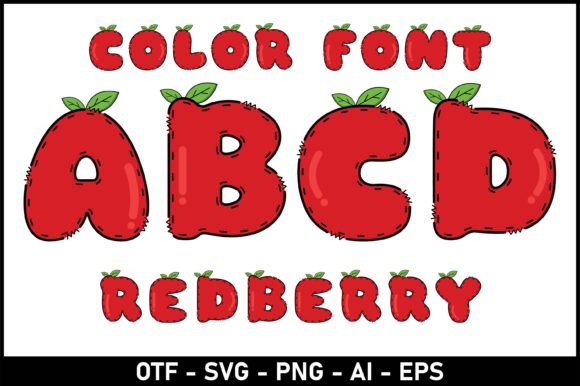
At its core, Red Berry is a premium font designed to capture attention with its friendly, approachable character. It often features soft, rounded edges and a slightly irregular baseline that mimics the feel of hand-lettering, making it a standout creative font choice. This isn’t a stark, geometric sans serif font or a formal serif font; instead, it leans into a handwritten font aesthetic that feels personal and authentic. Its design makes it particularly effective in contexts where you want to evoke joy, creativity, or nostalgia.
What makes Red Berry visually appealing is its balance. It manages to be playful without sacrificing clarity. The letterforms are distinct, which helps maintain readability even at smaller sizes or in busy layouts. For designers and creators, this means you can use it for headlines, subheads, or even short blocks of text where you want to inject personality without overwhelming the viewer. It’s a typeface that speaks directly to the heart, making it ideal for projects where emotional connection is key.
Where Red Berry Shines: Practical Applications
Thinking about where a font like Red Berry fits best? Its strengths align perfectly with a variety of creative and commercial projects. Consider these real-world uses:
- Branding & Logo Design: For businesses targeting families, children’s products, bakeries, or artisanal goods, Red Berry can form the cornerstone of a memorable brand identity. It helps create logos that feel welcoming and unique.
- Packaging Design: Imagine this font on a jam jar label, a children’s snack box, or a craft kit. It adds instant charm and helps products stand out on shelves.
- Invitations & Greeting Cards: From birthday party invites to holiday cards, Red Berry sets a cheerful, celebratory tone that recipients will love.
- Social Media Graphics: In a crowded feed, posts set in Red Berry can stop the scroll. It’s perfect for quotes, announcements, or promotional graphics for lifestyle brands.
- Editorial Layouts & Blogs: Use it for section headers in magazines, blog post titles, or chapter headings in e-books to add visual interest and guide the reader’s eye.
- Posters & Merchandise: Event posters for fairs, markets, or children’s workshops benefit from its energetic vibe. It also works well on T-shirts, tote bags, and stickers.
- Websites & Digital Products: As a display font, it can be used strategically for key headlines on websites or in digital downloads like planners and worksheets to enhance user experience.
The versatility of Red Berry means it’s not just for one niche. It’s a valuable design asset for anyone looking to add a touch of artistry to their work, whether you’re a small business owner creating marketing materials or a crafter designing custom stationery.
Making It Work: Font Pairing and Readability
While Red Berry is charming on its own, its true power in professional design comes from thoughtful font pairing. A common strategy is to combine it with a clean, neutral typeface. For example, pairing Red Berry with a simple sans serif font for body text creates a beautiful contrast—the playful headline draws interest, while the clean body text ensures easy reading. This approach maintains visual consistency and hierarchy in your designs.
Always test your pairings in context. View them on different devices, in print proofs, and at various sizes. Ask yourself: Does the combination feel balanced? Is the main message still clear? For web design or social media graphics, check how the fonts render on mobile screens. Readability is paramount, so avoid using Red Berry for long paragraphs or very small text where its personality might become a distraction.
Choosing the Right Style and Licensing
Many premium font families like Red Berry come with multiple styles—perhaps bold, light, or italic variations. Explore these options. A bolder weight might be perfect for a logo, while a lighter version could suit an elegant invitation. Understanding the full range of the typeface gives you more tools to express different tones within the same project.
Before using any font commercially, always review the licensing. Ensure the license covers your intended use, whether for a client project, merchandise for sale, or digital products. This step is crucial for commercial font usage and protects both you and your client from legal issues. Reputable font foundries provide clear licensing information—take the time to read it.
Bringing It All Together
Ultimately, Red Berry is more than just a set of characters; it’s a tool for storytelling. It helps businesses and creators communicate a specific vibe—whether that’s playful, handmade, or warmly nostalgic. By using it intentionally, pairing it wisely, and respecting its licensing, you can leverage this creative font to build stronger brand recognition, engage your audience more deeply, and elevate the professional presentation of your work. It’s a small detail that can make a significant difference in how your projects are perceived and remembered.