Infuse Every Design with a Unique Color Palette
Have you ever scrolled through a feed and stopped dead in your tracks because a design just felt... alive? Often, that magnetic pull isn’t just about the imagery, but the typography itself. We are used to thinking of fonts as black and white vessels for words, but what happens when the letters themselves become the art? This is where the concept of a Cute Love typeface steps in, transforming standard text into a vibrant visual experience. It is not just a set of characters; it is a design asset that brings its own color theory to the table, offering a fresh take on how we communicate visually in a crowded marketplace.
The Power of Pre-Colored Typography
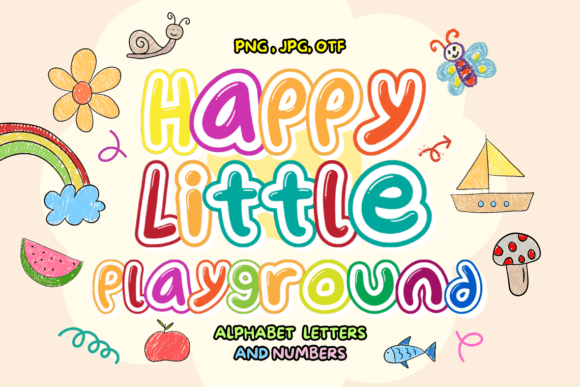
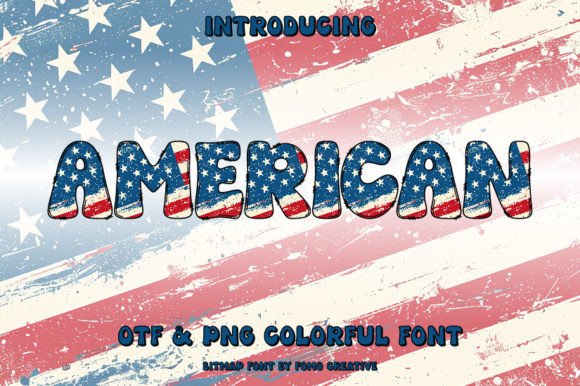
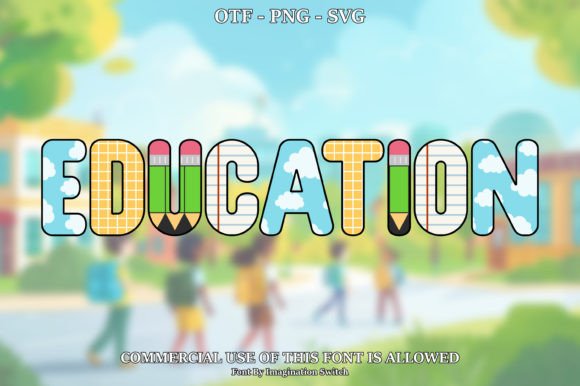
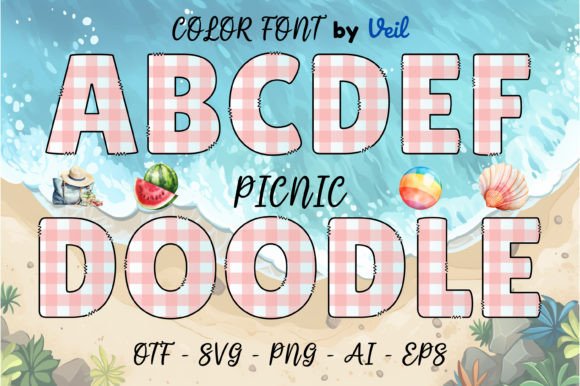
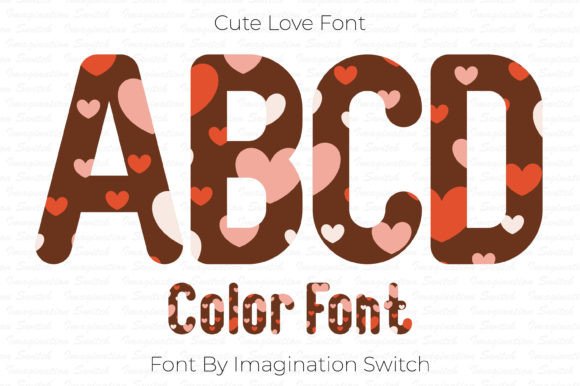
Standard typography requires you to select a color swatch in your design software to give your text life. A specialized display font like Cute Love flips this script by coming pre-loaded with intricate color gradients and hues baked directly into the vector data. When you type the letter "A," it appears with shading, depth, and a carefully curated color palette that you don’t have to manually adjust. This is particularly useful for creators who may not have advanced color theory training but want their work to look polished and professional.
This approach to modern typography creates an immediate sense of whimsy and sophistication. Because the colors are integrated, the transitions between shades are smooth and consistent, something that can be difficult to achieve manually with standard text tools. Whether you are working on a handwritten font style project or looking for a script font that pops, having that color complexity built-in saves time and ensures that the visual impact is exactly as the designer intended. It bridges the gap between standard text and illustration, making every word you type look like a custom graphic.
Practical Applications for Branding and Marketing
When building a brand identity, consistency is king, but distinctiveness is the queen that captures attention. For small business owners and entrepreneurs, utilizing a premium font that carries its own visual weight can be a game-changer for logo design. Imagine a beauty brand or a boutique bakery using Cute Love for their wordmark; the font instantly communicates a sense of care, vibrancy, and approachability without needing additional graphic elements. It sets a mood immediately, which is vital for brand recognition.
Beyond the logo, think about your packaging design. Physical products need shelf appeal. A font that stands out with unique coloring can highlight key ingredients, product names, or special edition labels. It turns the packaging into part of the gift. Similarly, for social media graphics, where the scroll is fast and attention spans are short, a creative font can stop the thumb. Use it for Instagram stories, quote graphics, or sale announcements. The visual novelty of the colored typeface makes the content feel more like a piece of art than just an advertisement, which can significantly boost audience engagement.
Enhancing Digital and Print Projects
The versatility of a commercial font like this extends across various mediums. In the realm of web design, it serves as a stunning hero font for headers. While it might be too intricate for body text where legibility is paramount, using it for H1 tags or call-to-action buttons can add a layer of personality that standard sans serif font choices lack. It draws the eye exactly where you want it, guiding the user journey through your site with visual cues.
For those in the crafting community or those creating digital products, such as planners, invitations, or wall art, this typeface is invaluable. Editorial design for magazines or blogs can also benefit; think of pull quotes or feature headers that need to feel celebratory or festive. Because the font includes a complete set of characters—uppercase, lowercase, and numbers—it allows for full sentences and complex messaging. You aren’t limited to just a few decorative words; you can construct entire headlines for posters, invitations, or merchandise like t-shirts and tote bags with full legibility and that signature colorful flair.
Mastering Font Pairing and Legibility
While a Cute Love typeface is visually arresting, the mark of a good designer is knowing how to balance it. One of the most important aspects of typography is hierarchy. Because this font is bold and colorful, it pairs best with clean, neutral typefaces. Consider pairing it with a simple geometric sans serif font or a classic serif font for your body copy. This contrast ensures that your design doesn’t become visually overwhelming. The colorful font handles the emotion and the "hook," while the standard font handles the information delivery.
Readability is another crucial factor. Highly decorative fonts are best used for headlines, logos, and short bursts of text. When using a font with intricate coloring, ensure there is enough contrast against the background. If you place a vibrant, multi-colored font over a busy photograph, the text might get lost. In such cases, adding a subtle drop shadow or placing the text over a solid color block or semi-transparent overlay can maintain the professional presentation of your work. Always test your font pairings at different sizes to ensure the color details remain crisp and don’t muddy up when scaled down.
Choosing the Right Asset for Your Workflow
Before integrating any new design assets into your toolkit, it is worth reviewing the specific licensing and file formats. If you are a freelancer or a business owner, ensure the license covers commercial use if you plan to sell products featuring the text. Check the file types provided—typically, OTF or TTF files are standard, but web-friendly formats like WOFF are necessary if you intend to use the font on a live website.
Ultimately, typography is about communication. It is about finding the voice that matches your message. Whether you are designing a flyer for a local event, creating a header for a lifestyle blog, or branding a new product line, the tools you choose define the outcome. A typeface that brings its own color and personality doesn't just write words; it tells a story. It adds a layer of depth and emotion that plain text simply cannot match, allowing you to craft designs that resonate and linger in the minds of your audience.